
Luxury Arabian Oud Perfume Blog: Your Guide to Exquisite Fragrances
Authentic Arabic perfume and oud: luxury that lasts
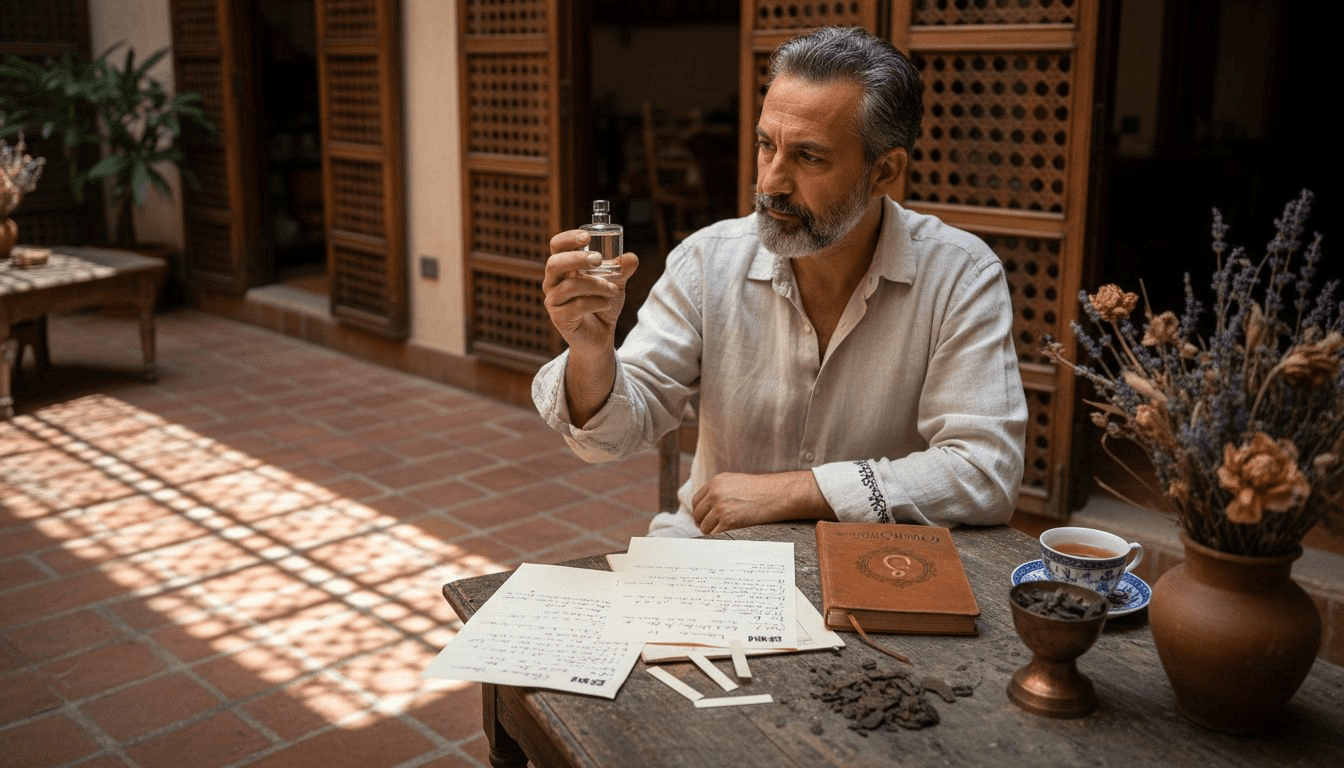
Many people believe all oud perfumes smell identical, but that’s far from the truth. Arabic perfumes showcase an astonishing range of scent profiles, from delicate floral whispers to bold, smoky declarations. Understanding this diversity unlocks a world of luxurious fragrance that resonates with cultural heritage, exceptional longevity, and profound complexity. This guide will help you explore authentic oud, appreciate its rarity, and choose fragrances that truly elevate your scent collection or make memorable gifts.
Table of Contents
- Introduction To Arabic Perfumes And Oud
- What Is Oud? Origins And Rarity
- Cultural Significance And Use Of Oud In Arabian Traditions
- Aromatic Characteristics And Longevity Of Arabic Perfumes
- Common Misconceptions About Oud
- Comparison With Western Perfumes
- How To Identify Authentic Arabian Perfumes
- Practical Applications And Gifting Arabic Perfumes
- Explore Authentic Arabic Perfumes At Oudh Shop
- Frequently Asked Questions About Arabic Perfumes And Oud
Key takeaways
| Point | Details |
|---|---|
| Rare natural ingredients | Arabic perfumes feature oud resin, a costly ingredient formed over decades in Aquilaria trees infected by specific fungi. |
| Cultural and symbolic value | Oud holds deep cultural importance as an expression of identity, hospitality, and prestige across Arabian societies. |
| Complex scent profiles | Expect woody, musky, smoky, and sweet notes that evolve beautifully throughout the day with remarkable longevity. |
| Authenticity matters | Genuine oud requires transparent sourcing, natural ingredient lists, and noticeable scent complexity during dry-down. |
| Different from Western perfumes | Arabic fragrances use higher oil concentrations and natural resins, offering richer, longer-lasting experiences than most alcohol-based Western scents. |
Introduction to Arabic perfumes and oud
Arabic perfumes are oil-rich blends crafted from natural ingredients, with oud resin standing as the crown jewel. These fragrances draw from centuries of Arabian perfumery tradition, where scent represents far more than pleasant aroma. They embody identity, heritage, and social grace.
Oud, also called agarwood, forms the heart of many Arabic perfumes. This dark, aromatic resin develops naturally in Aquilaria trees when they face fungal infection. The result is a profoundly complex scent that defies simple description.
Why do enthusiasts prize these perfumes so highly? Three compelling reasons stand out:
- Richness: Arabic perfumes layer multiple natural notes, creating depth that synthetic fragrances struggle to match.
- Longevity: High oil concentrations mean these scents cling to skin and fabric for hours, sometimes days.
- Complexity: Oud evolves as it wears, revealing new facets from initial spray to final dry-down.
Oud perfumes offer an experience that transcends typical fragrance wear. They invite wearers into a sensory journey shaped by ancient traditions and modern craftsmanship. The cultural importance of oud extends beyond personal adornment, touching ceremonies, hospitality rituals, and expressions of respect across generations.
Pro Tip: When exploring Arabic perfumes, apply a small amount to your wrist and wait 20 minutes. The true character emerges only after the initial alcohol evaporates and the oils settle into your skin chemistry.
What is oud? origins and rarity
Oud forms through a remarkable natural process. Aquilaria trees, native to Southeast Asia and parts of the Middle East, produce this resin only when infected by specific fungi. The tree responds to infection by secreting dark, fragrant resin as a defence mechanism. This transformation takes decades, sometimes generations.
Unique environmental conditions must align for quality oud to develop. The right fungal strain, proper tree maturity, and suitable climate all play crucial roles. Only a small percentage of Aquilaria trees ever produce oud naturally, making genuine resin extraordinarily rare.
Several factors drive oud’s exceptional value:
- Limited supply: Natural oud formation cannot be rushed or reliably replicated at scale.
- Labour-intensive harvesting: Extracting resin requires skilled workers who can identify infected wood without damaging valuable material.
- Cultural demand: Centuries of tradition have established oud as the ultimate luxury ingredient across Middle Eastern and Asian markets.
- Scent uniqueness: No synthetic substitute captures oud’s full aromatic complexity and evolution.
High-quality oud resin costs more per kilogram than gold, positioning it among the world’s most valuable natural materials. This economic reality shapes the perfume market, where authentic oud commands premium prices whilst imitations flood lower price points.
Pro Tip: Research sellers before purchasing expensive oud perfumes. Reputable retailers provide detailed information about oud origin, extraction methods, and ageing processes. You can learn more about oud formation through trusted sources that explain quality indicators and authentication techniques.
Cultural significance and use of oud in Arabian traditions
Oud permeates Arabian life in ways Western cultures rarely experience with fragrance. Historically, oud has been used as a symbol of hospitality, spirituality, and luxury for over a thousand years, integrated into religious ceremonies, social rituals, and personal grooming.
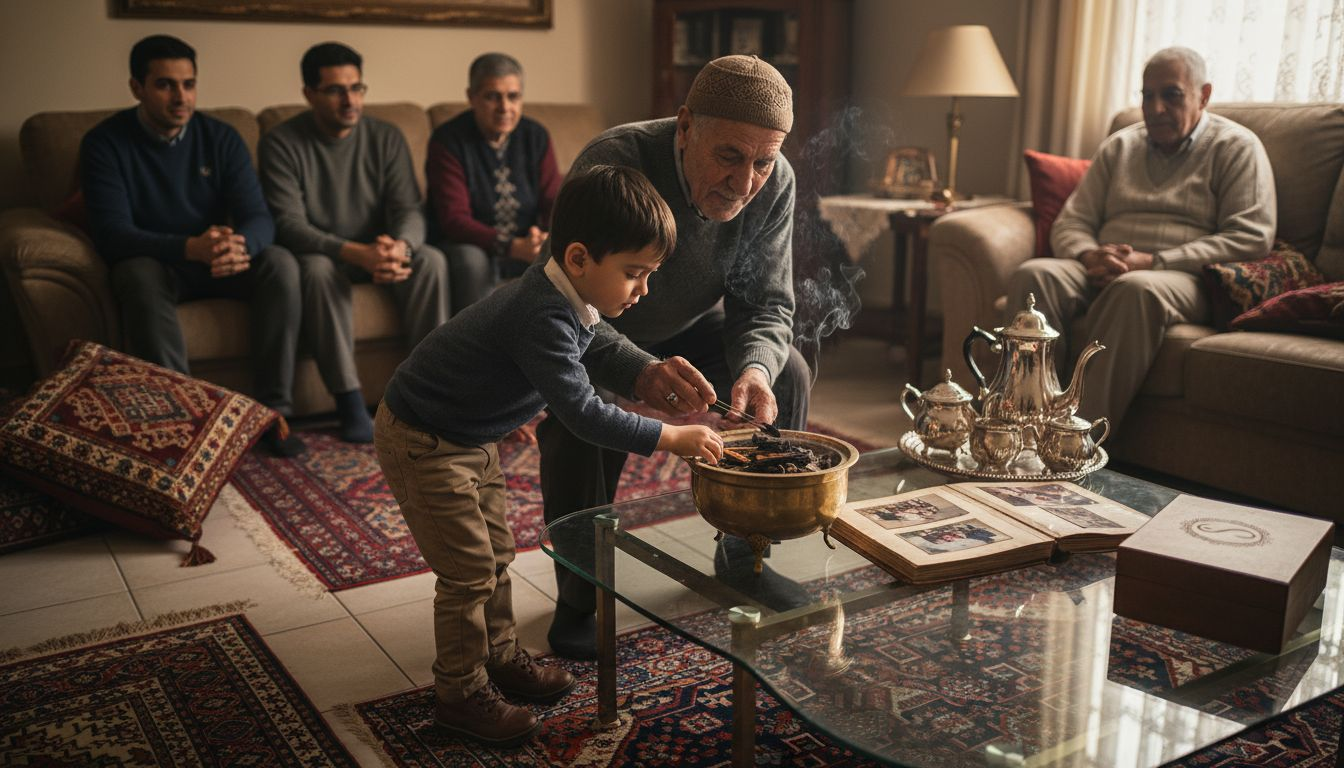
Hospitality rituals showcase oud’s welcoming power. When guests arrive, hosts often burn oud chips in traditional incense burners called mabkhara. The fragrant smoke fills rooms, honouring visitors and creating an atmosphere of warmth. This practice transcends economic class, appearing in modest homes and royal palaces alike.
Religious and celebratory ceremonies embrace oud as essential:
- Ramadan and Eid: Families apply oud perfumes before prayers and festive gatherings, marking these occasions as spiritually and socially significant.
- Weddings: Brides and grooms wear oud as part of ceremonial preparations, symbolising new beginnings and blessings.
- Friday prayers: Many worshippers apply oud before attending mosque, treating the act as both spiritual preparation and communal respect.
- Birth celebrations: New parents often receive oud gifts, welcoming infants into a tradition that spans generations.
Oud symbolises prestige and identity in Arabian society. Wearing quality oud signals refined taste, cultural awareness, and appreciation for heritage. This extends to gifting, where traditional oud perfumes convey respect, affection, and thoughtfulness far beyond generic presents.
“Oud is not just a scent; it is a language of respect, a bridge between generations, and a marker of moments that matter most in Arabian life.”
The cultural rituals of oud continue evolving whilst maintaining core traditions. Modern Arabian perfumery blends ancestral techniques with contemporary styles, ensuring oud remains relevant for new generations discovering their heritage.
Aromatic characteristics and longevity of Arabic perfumes
Arabic perfumes deliver sensory experiences that distinguish them immediately from Western fragrances. Four signature note families dominate authentic oud compositions:
- Woody: Deep, earthy tones reminiscent of ancient forests and aged timber.
- Smoky: Incense-like qualities that evoke ceremonial burning and spiritual contemplation.
- Musky: Animalic warmth that adds sensuality and grounding depth.
- Sweet: Honey, amber, or rose notes that soften intensity and add approachability.
Layering techniques enhance Arabic perfumes’ complexity. Many enthusiasts apply multiple fragrances simultaneously, starting with heavier oud bases and finishing with lighter florals or citrus. This creates personalised scent signatures that evolve uniquely on each wearer.
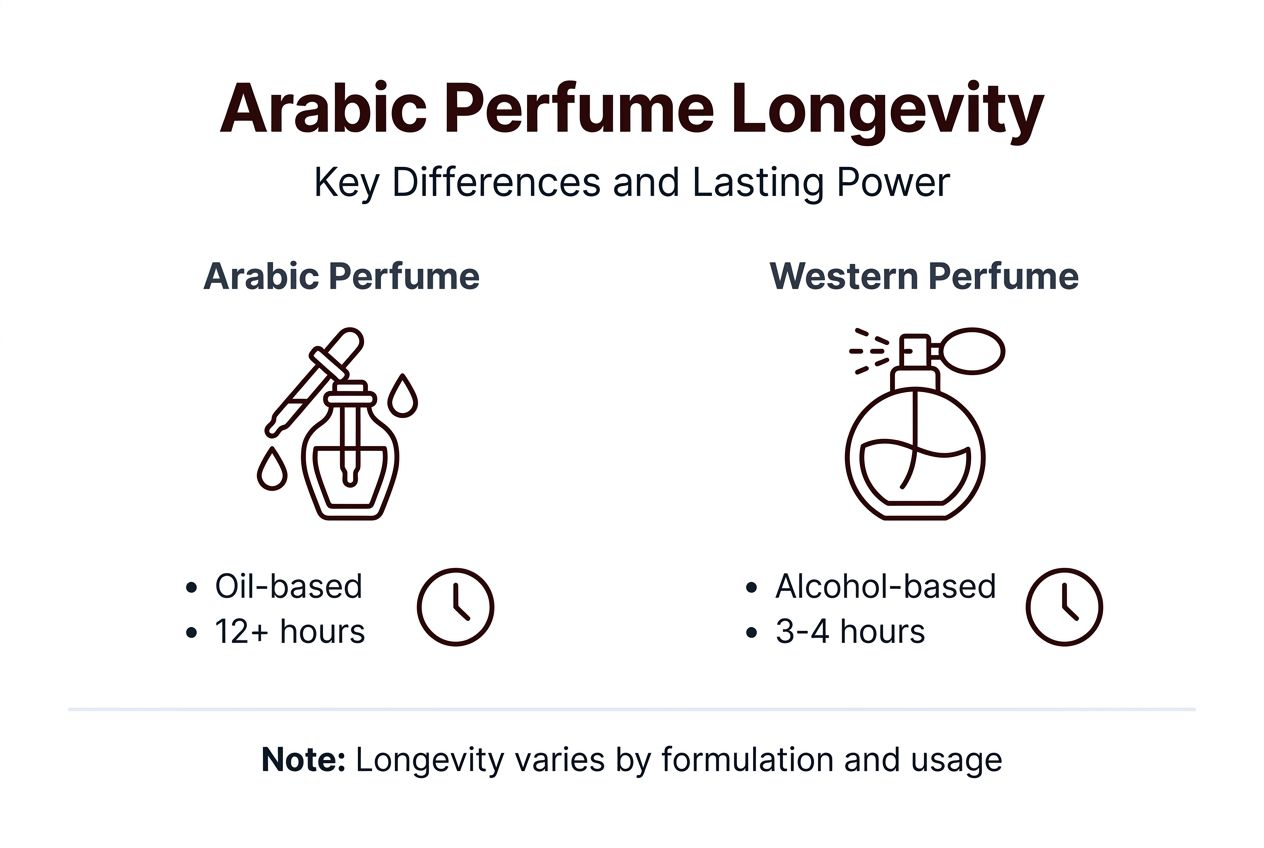
Longevity sets Arabic perfumes apart dramatically. Whilst typical Western eau de toilettes last 3-4 hours, quality long-lasting oud perfumes persist 8-12 hours or longer. This staying power stems from high oil concentrations, often 15-40% compared to 5-15% in conventional perfumes.
Scent experiences unfold in distinct stages:
| Stage | Timeframe | Characteristics |
|---|---|---|
| Top notes | 0-15 minutes | Initial burst, often citrus or spice, lightest and most volatile |
| Heart notes | 15 minutes – 3 hours | Core character emerges, woody and floral elements dominate |
| Base notes | 3+ hours | Deep, lasting foundation of oud, musk, amber settles into skin |
| Dry-down | 6+ hours | Final impression, most intimate and personalised to body chemistry |
Pro Tip: Apply Arabic perfumes to pulse points and clothing for maximum longevity. Natural fibres like cotton and wool hold scent longer than synthetics. A single spray on a wool scarf can release fragrance for days.
Common misconceptions about oud
Several persistent myths cloud understanding of oud and Arabic perfumes. Dispelling these helps buyers appreciate genuine quality and make informed choices.
Myth: All oud fragrances smell identical. Reality shows dramatic variation. Cambodian oud tends towards sweet, barnyard notes. Indian oud leans smoky and intense. Indonesian varieties offer lighter, more approachable profiles. Blending techniques and accompanying ingredients create endless combinations, from delicate rose oud to bold leather oud compositions.
Myth: Oud is merely wood. Oud is resin, not wood itself. The confusion arises because resin-saturated wood pieces are called agarwood. When perfumers extract oud oil, they target the resin, which carries the aromatic compounds. Pure wood without resin contributes little fragrance value.
Myth: Arabic perfumes always overpower. Concentration varies widely. Some oud perfumes deliver subtle, office-appropriate elegance. Others make bold statements suitable for evening wear. The key lies in application amount and choosing appropriate concentrations for different contexts. Modern Arabic perfumery increasingly offers versatile options that suit Western sensibilities whilst maintaining authentic character.
Myth: Western perfumes contain the same ingredients. Most Western fragrances use synthetic oud substitutes or minimal natural oud due to cost constraints. Arabic perfumes prioritise natural ingredients, especially in premium lines. This fundamental difference in formulation philosophy produces distinctly different scent profiles, longevity, and skin interactions.
For guidance on finding suitable options, explore an oud fragrance selection guide or review 2026 oud fragrance trends to understand current market directions.
Comparison with Western perfumes
Arabic and Western perfumes represent different philosophical approaches to fragrance creation. Understanding these distinctions helps you appreciate what makes each tradition unique.
| Aspect | Arabic Perfumes | Western Perfumes |
|---|---|---|
| Base | Oil concentrations 15-40%, minimal alcohol | Alcohol-based, oil concentrations 5-20% |
| Key ingredients | Natural oud, musk, amber, rose absolute | Synthetic molecules, some natural essences |
| Longevity | 8-12+ hours typical | 3-6 hours typical |
| Sillage | Moderate to strong, intimate projection | Light to moderate, wider diffusion |
| Price drivers | Ingredient rarity and quality | Brand marketing and packaging |
| Cultural context | Identity, tradition, ceremony | Fashion, trends, seasonal releases |
Arabic perfumes use higher oil and resin concentrations, creating richer, longer-lasting experiences. This formulation difference explains why a small amount of quality oud perfume outperforms generous Western fragrance application.
Ingredient sourcing reveals stark contrasts. Authentic Arabic perfumes feature natural oud harvested from Aquilaria trees, genuine deer musk or plant-based alternatives, and precious flower absolutes. Western brands increasingly rely on synthetic substitutes that approximate natural scents at fraction of the cost but lack depth and evolution.
Cultural significance differs fundamentally. Arabic perfumes connect wearers to heritage, family traditions, and spiritual practices spanning generations. Western perfumes typically align with fashion cycles, celebrity endorsements, and aspirational lifestyle marketing. Neither approach is superior; they serve different purposes and values.
Price structures reflect these priorities. Arabic perfume pricing emphasises ingredient quality and authenticity. Western luxury perfumes often charge premium prices for brand prestige and marketing rather than raw material costs.
How to identify authentic Arabian perfumes
Navigating the Arabic perfume market requires knowledge and careful evaluation. Four key indicators help distinguish genuine quality from clever imitations.
Seller transparency matters most. Reputable retailers provide detailed information about oud origin, harvest methods, and ageing processes. They explain whether oud comes from Cambodia, India, or other regions. They describe extraction techniques, whether traditional steam distillation or modern CO2 methods. Vague descriptions or missing provenance details signal potential authenticity issues.
Scent complexity reveals truth. Authentic oud perfumes evolve noticeably over hours. Initial application smells different from 30-minute mark, which differs again from dry-down after 4-6 hours. Synthetic oud remains static, smelling essentially the same throughout wear. Test by applying to skin and evaluating progression over an afternoon.
Realistic pricing protects buyers. Genuine oud costs significant money due to rarity and production expense. Extremely low prices, especially for pure oud oils, almost certainly indicate synthetic substitutes or heavily diluted formulations. Whilst affordable options exist, suspiciously cheap “pure oud” should raise red flags.
Trusted specialists offer assurance. Retailers focusing exclusively on Arabian perfumes typically maintain higher standards than generalist shops. They understand regional differences, quality markers, and customer expectations. Examples include authentic oud perfume collections from dedicated specialists who curate selections rather than stocking everything available.
Additional authentication tips:
- Request ingredient lists showing natural components
- Check for batch numbers and production dates
- Read customer reviews focusing on longevity and scent evolution
- Compare multiple sources before purchasing expensive bottles
- Start with top oud perfume recommendations from established reviewers
Pro Tip: Purchase discovery sets or samples before committing to full bottles. This lets you test authenticity, evaluate skin chemistry compatibility, and explore different oud styles without major financial risk. Many Arabian perfume buying guides recommend this approach for newcomers.
Practical applications and gifting Arabic perfumes
Arabic perfumes shine as gifts that convey thoughtfulness, luxury, and cultural appreciation. Understanding appropriate occasions and selection strategies ensures your presents resonate meaningfully.
Classic gifting occasions include birthdays, anniversaries, and religious holidays like Ramadan and Eid, where beautifully packaged oud sets convey cultural respect and luxurious thoughtfulness. These moments call for fragrances that honour tradition whilst offering personal enjoyment.
Presentation elevates gifting impact significantly. Quality Arabic perfumes typically arrive in ornate bottles with detailed caps, housed in decorative boxes featuring Arabic calligraphy or geometric patterns. This visual appeal communicates care and investment beyond the fragrance itself. When gifting, maintain original packaging or enhance it with personal touches like handwritten notes explaining the scent’s cultural significance.
Selecting appropriate scent profiles requires considering recipient preferences:
- For woody lovers: Choose oud-forward compositions with sandalwood, cedar, or vetiver supporting notes.
- For balanced tastes: Opt for rose oud or amber oud blends that soften intensity with floral or sweet elements.
- For bold personalities: Select pure oud oils or heavily concentrated attars that make powerful statements.
- For newcomers: Start with lighter oud perfumes featuring citrus or white floral top notes for easier introduction.
Variety sets offer exceptional gifting value. Collections containing 3-6 smaller bottles let recipients explore different styles, discover favourites, and match scents to occasions. This approach particularly suits those new to Arabic perfumes or uncertain about specific preferences.
Popular oud perfume gift sets often combine classic and contemporary options, providing both traditional depth and modern versatility. Popular choices like Dinar Oud balance accessibility with authentic character, making them safe yet impressive selections.
Consider practical factors like UK delivery timing for special dates, gift wrapping options, and including fragrance notes cards that help recipients understand their new perfumes. These details transform good gifts into memorable experiences that strengthen relationships and introduce loved ones to captivating Oud gifting traditions.
Explore authentic Arabic perfumes at Oudh Shop
Ready to experience the luxury and longevity Arabic perfumes offer? Oudh Shop brings you an expertly curated selection of authentic oud perfumes delivered throughout the UK. We specialise in genuine Arabian fragrances that honour traditional craftsmanship whilst meeting modern quality standards.
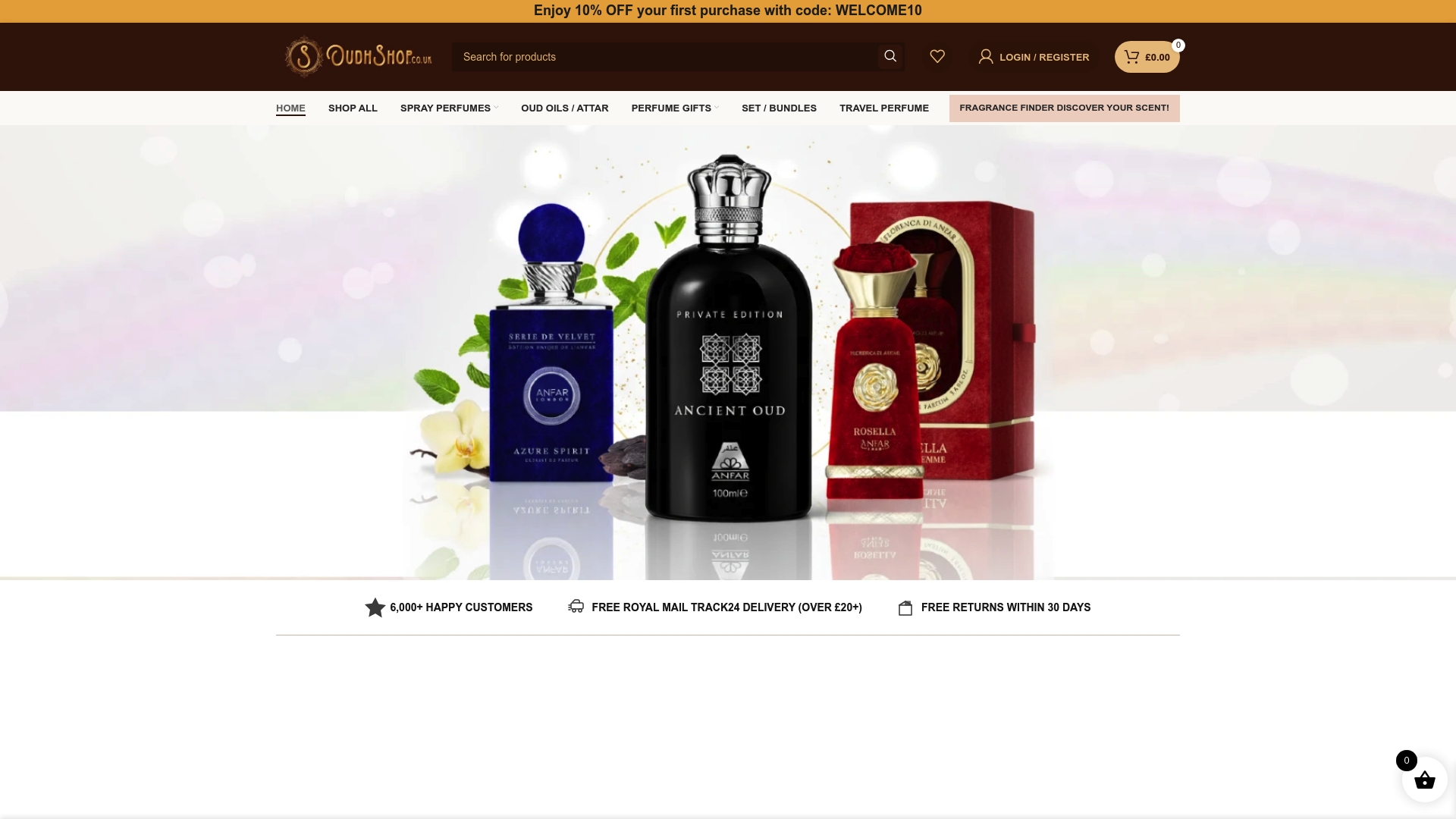
Our collection features everything from bold, traditional oud attars to contemporary blends suitable for daily wear. Each fragrance comes with transparent sourcing information, so you know exactly what you’re applying. We prioritise natural ingredients and work directly with reputable Middle Eastern perfume houses to ensure authenticity.
Gifting made effortless? Explore our Arabic perfume gifts section featuring beautifully packaged sets perfect for birthdays, anniversaries, or cultural celebrations. For those wanting to test oud’s versatility, our travel size perfumes let you carry luxury wherever life takes you. Discover your signature scent today and join fragrance enthusiasts who’ve elevated their collections with genuine Arabian perfumery.
Frequently asked questions about Arabic perfumes and oud
What makes oud so expensive compared to other perfume ingredients?
Oud’s exceptional cost stems from extreme rarity and labour-intensive production. Only a small percentage of Aquilaria trees naturally produce resin when infected by specific fungi. Harvesting requires skilled workers who identify valuable resin-saturated wood without waste. The formation process takes decades, and demand from Middle Eastern and Asian markets consistently exceeds supply, driving prices higher than most natural perfume ingredients.
How can I tell if an oud perfume is genuine?
Authentic oud perfumes evolve significantly over hours, revealing different notes from application through dry-down. Check for detailed ingredient lists showing natural components and transparent sourcing information about oud origin. Genuine oud carries realistic pricing reflecting ingredient costs. Suspiciously cheap “pure oud” likely contains synthetics. Purchase from specialist retailers who focus on Arabian perfumes and provide batch numbers plus production dates.
Are Arabic perfumes suitable for daily wear in the UK climate?
Absolutely. Many modern Arabic perfumes offer versatile concentrations appropriate for professional and casual UK settings. Choose lighter oud blends with citrus or white floral notes for daytime wear. The UK’s cooler, often humid climate actually helps Arabic perfumes perform beautifully, as heat and moisture activate oils without causing overwhelming projection. Apply sparingly until you understand how each fragrance behaves in your environment.
What occasions are best for gifting Arabic perfumes?
Arabic perfumes make exceptional gifts for birthdays, anniversaries, weddings, and religious celebrations like Ramadan and Eid. They suit milestone moments requiring thoughtful, luxurious presents that honour cultural heritage. Graduations, new home celebrations, and thank-you gestures also benefit from quality oud perfumes. The key is matching scent intensity to recipient personality and ensuring presentation reflects the gift’s significance through quality packaging and personal notes.
Can oud perfumes be layered with other fragrances?
Yes, layering is traditional in Arabic perfumery and creates personalised signatures. Start with oud as your base, applying to pulse points. Add lighter fragrances like rose, citrus, or white florals on top. Let each layer dry briefly before applying the next. Experiment with combinations to discover what works for your chemistry. Many enthusiasts layer different oud perfumes together, combining woody bases with sweeter or smokier variations for unique complexity.