
Luxury Arabian Oud Perfume Blog: Your Guide to Exquisite Fragrances
Does Oud Actually Smell Like You Think It Does? A Beginner’s Guide to Dehn Al Oud
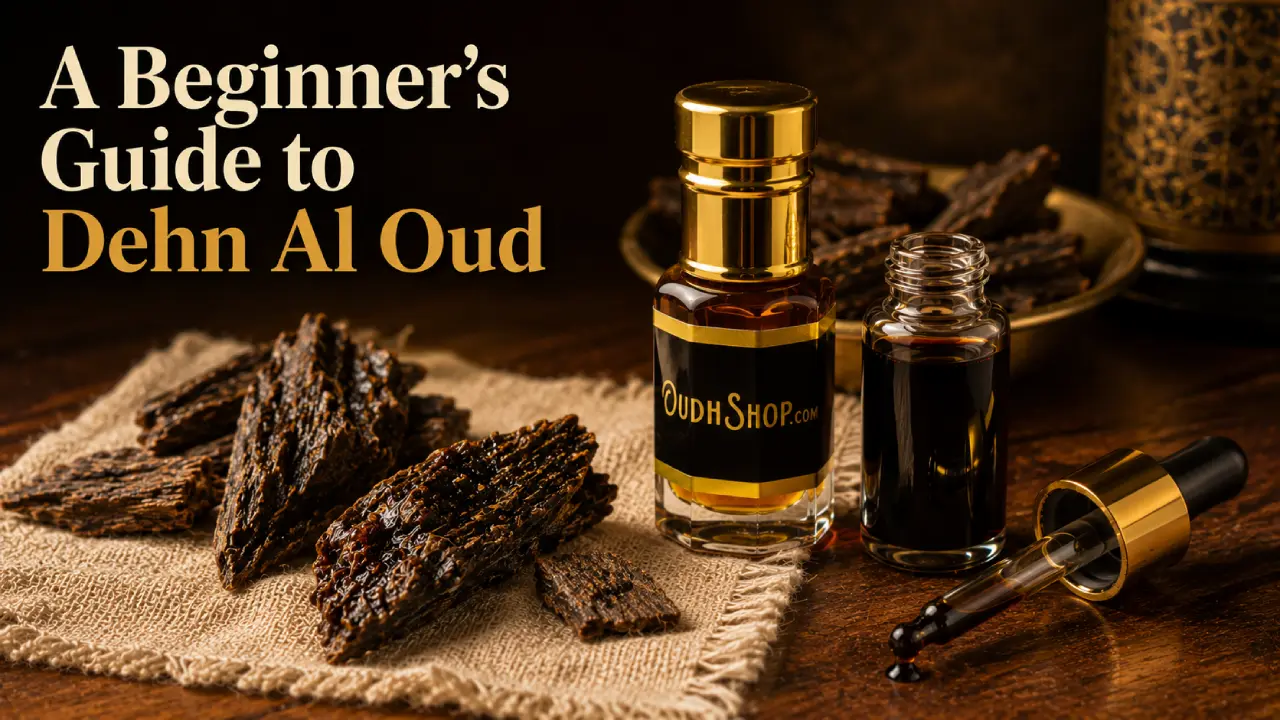
Quick answer: Dehn al oud means “oil of the wood” in Arabic. It is pure oud oil distilled from agarwood, with no alcohol and no blending. It rarely smells like designer oud perfume. Real dehn al oud can be animal, leathery, and medicinal, or sweet, honeyed, and fruity, depending on where the wood came from. Cambodi is the easiest starting point for beginners.
Most people meet oud through a designer bottle. A label that says oud wood in gold type. It smells warm, smooth, a bit smoky. Pleasant.
Then they smell real dehn al oud for the first time. And it is nothing like that.
Some people are thrilled. Some are shocked. Almost nobody expects what they get.
This guide explains what dehn al oud actually is, why it smells the way it does, and how to pick one you will enjoy.
Watch: what real dehn al oud looks and smells like
What Is Dehn Al Oud?
Dehn al oud means oil of the wood in Arabic. It is the pure oil distilled from agarwood. No alcohol. No blending. No filler.
Agarwood forms inside Aquilaria trees. When the tree is wounded and a fungus takes hold, it makes a dark resin to defend itself. That resin soaks into the heartwood over years. Distil that wood and you get dehn al oud. You can read the full botanical background on the agarwood entry.
Before the infection, the wood is pale and has almost no smell. The scent is the tree fighting back.
So What Does Oud Actually Smell Like?
Here is the honest answer. It depends on where it came from.
That is not a dodge. Oud is one of the most complex natural materials in perfumery. A single oil can hold well over one hundred compounds. Origin, tree age, and how it was distilled all change the result.
So there is no one oud smell. There is a family of them.
Hindi Oud: Dark, Animal, and Divisive
This is the one that shocks people.
Hindi oud comes from India, often from Assam. It opens dark and animal. Think old leather, barnyard, and a sharp medicinal edge that some people compare to a plaster.
Give it thirty minutes. That opening settles into deep incense, dark spice, and rich resinous wood. It is the profile most tied to traditional Gulf perfumery, and it is worn for weddings and religious occasions.
It is not a beginner oud. But it is the one collectors chase. Our Dehn Al Oud Hindi Suyufi is a good example of the style.
Cambodi Oud: Sweet, Fruity, and Wearable
This is where most people should start.
Cambodi oud is sweet, fruity, and warm. Collectors describe ripe plum, fig jam, honey, and dried apricot over creamy wood. The animal edge is soft. The smoke is round.
It is the easiest natural oud to wear. It also sits closest to what Western oud perfumes try to imitate. If you want to try the style, start with Dehn Al Oud Cambodi.
Other Regions: Lighter and Greener
Malaysian and Borneo ouds are lighter and greener. You get cool wood, a hint of pencil shavings, and a dry sweet base. Less funk. More structure.
If Hindi feels too much and Cambodi feels too sweet, this is the middle ground. The wider oud and musk perfume oils range covers several of these styles, including Dehn Al Oud Maliki and Dehn Al Oud Turabi Muattaq.
Why Designer Oud Smells So Different
Most oud you smell in a shop is not oud.
Real oud oil is one of the most costly materials in perfumery. Only a small share of wild trees ever form the resin. The trees are listed under CITES, so trade is controlled and supply is tight.
So most designer oud is a synthetic accord. A smooth, sweet, woody shape built to suggest oud without the price or the funk.
That is not a scam. Synthetic oud is well made and easy to wear. But it is a picture of oud, not the thing itself.
How to Tell Real Dehn Al Oud From a Blend
There are simple signs.
- Look at the oil. Real dehn al oud is thick and dark, from deep amber through to near black. Thin, pale, watery oil is a warning.
- Smell it over time. Real oud shifts. The opening, the middle, and the base are different scents. Synthetic oud tends to stay flat.
- Check the name. A good seller tells you the origin. Hindi, Cambodi, Maliki. Vague labels usually mean vague contents.
Every oud oil in our Oudh Al Anfar range is named by origin, so you know what you are buying before you open it.
How Much Should You Apply?
Less than you think.
One small dab on a pulse point is enough. Use the rollerball or dropper. Do not spray it, and do not rub your wrists together, as that crushes the top notes.
Then wait. Real oud needs twenty to thirty minutes to open. Judging it in the first two minutes is the most common mistake new buyers make.
A single drop can last a full day on skin. On clothing it can last for days. Because it is pure oil with no alcohol, dehn al oud is also wudu-friendly, which is why it sits alongside our alcohol-free perfume range.
Where Should a Beginner Start?
Start with Cambodi. It is sweet, warm, and forgiving.
Buy a small size first, not a full bottle. Our travel size perfumes let you test a style properly before you commit. Try it at home, not in a shop, because you need hours to see how it develops.
Then, if you like it, work towards Hindi. Your nose changes. Things that felt harsh at first often become the parts you love most.
If you would rather ease in through a blend than go straight to pure oil, the oud attar is a gentler introduction, and the unisex oud perfume collection covers softer spray options.
Explore Real Dehn Al Oud at Oudh Shop
Named by origin. Alcohol-free and wudu-friendly. Free UK delivery over £20.
Frequently Asked Questions
What does dehn al oud mean?
Dehn al oud means “oil of the wood” in Arabic. It refers to pure oud oil distilled from agarwood, with no alcohol and no blending. It is the most concentrated form of oud you can buy, and it is applied with a rollerball or dropper rather than sprayed.
What does real oud smell like?
It depends on origin. Hindi oud from India is dark, leathery, and animal, with a medicinal edge. Cambodi oud is sweet and fruity, with plum, honey, and creamy wood. Malaysian and Borneo ouds are lighter and greener. There is no single oud smell, only a family of profiles.
Why does designer oud perfume smell different?
Most designer oud uses a synthetic accord rather than real oud oil. Genuine oud is rare and costly, and the trees are protected under CITES. Synthetic versions are smoother and sweeter by design. They suggest the shape of oud without the animal or medicinal notes of the real material.
Which oud is best for beginners?
Cambodi oud is the easiest starting point. It is sweet, fruity, and warm, with a soft animal edge and round smoke. Hindi oud is far more challenging, with a barnyard and medicinal opening that many new buyers find difficult on first contact.
How do I apply dehn al oud?
Use one small dab on a pulse point with the rollerball or dropper. Do not rub your wrists together, as that crushes the top notes. Wait twenty to thirty minutes before judging the scent, since real oud needs time to open and develop on warm skin.
Is dehn al oud alcohol-free and wudu-friendly?
Yes. Dehn al oud is pure distilled oil with no alcohol carrier, which makes it wudu-friendly by nature. This is one reason attars and oud oils have stayed central to Arabian fragrance culture despite the global popularity of spray perfumes.