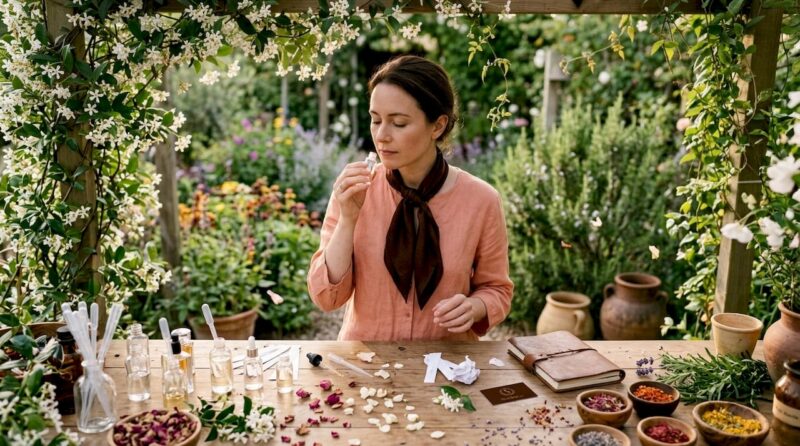
Luxury Arabian Oud Perfume Blog: Your Guide to Exquisite Fragrances
Unique oud ingredients: elevate your perfume collection
TL;DR:
- Truly unique oud is rare, region-specific, traditionally distilled, and aged to develop complex aroma.
- Artisanal distillation and aging enhance oud’s complexity, smoothness, and collector value.
- Collecting authentic oud involves research, understanding origins, and patience for proper evaluation.
In a market saturated with mass-produced blends and synthetic approximations, the pursuit of truly unique oud ingredients has become the defining passion of serious fragrance collectors. Most people who wear oud have never experienced its rarest, most exquisite forms — wild-harvested resin aged for decades, or legendary Qinan distilled by master craftsmen in the forests of Hainan. This guide cuts through the noise to reveal exactly what separates extraordinary oud ingredients from the ordinary, how to evaluate them with confidence, and how to build a collection that genuinely reflects the depth and heritage of Arabian perfumery at its finest.
Table of Contents
- What makes an oud ingredient unique?
- Rare oud varieties from across the globe
- Artisanal and aged oud: the collector’s advantage
- How to identify and collect unique oud for your perfume wardrobe
- Why true oud collectors think beyond the notes
- Explore authentic oud perfumes and gifts at Oudh Shop
- Frequently asked questions
Key Takeaways
| Point | Details |
|---|---|
| Wild oud rarity | Wild oud is highly scarce with only 2% of Aquilaria trees producing it naturally, making it the ultimate luxury ingredient. |
| Regional variety | Different oud origins, such as Assam, Cambodia, and Hainan, yield distinct fragrance profiles prized by collectors. |
| Ageing adds value | Aged oud delivers smoother, more complex scents that are avidly sought after by connoisseurs. |
| Authentic sourcing | Seek trusted Arabian perfume houses to ensure your oud is genuine and exceptional. |
What makes an oud ingredient unique?
Not all oud is created equal. The term “oud” (also known as Agarwood) refers to the dark, fragrant resin that forms inside Aquilaria trees when they become infected with a particular mould. But within that single definition lies an enormous spectrum of quality, rarity, and sensory character. Understanding what places a particular ingredient at the pinnacle of that spectrum is the first step towards collecting with real discernment.
Several key factors define a truly unique oud ingredient:
- Rarity and source: Wild oud is rarest, with only 2% of Aquilaria trees producing it naturally, making it extraordinarily precious compared to farmed alternatives.
- Geographical origin: The region of harvest profoundly shapes the scent profile. Assam, Cambodia, Papua New Guinea, and Hainan each produce oud with distinctly different characteristics.
- Extraction method: Traditional hydro-distillation, used by artisan producers for centuries, preserves volatile aromatic compounds that modern industrial extraction can strip away.
- Age: Time transforms oud. Younger oud tends to be sharper and more animalic; older oud develops smoother, more meditative qualities that collectors prize.
- Authenticity: Synthetic oud, engineered in laboratories, has flooded the market. While useful in accessible blends, it lacks the living complexity of natural resin.
Understanding these criteria allows you to engage with the fragrance world as a true connoisseur. When you wear oud that has been responsibly sourced and traditionally distilled, you are wearing luxury that lasts — not simply a pleasant scent, but a living piece of botanical history.
“The finest oud is not merely a perfume ingredient; it is a geographical fingerprint, a record of climate, soil, and centuries of human tradition distilled into liquid form.”
Pro Tip: When evaluating oud for your collection, always ask the seller for the country of origin and whether the oil is from wild or cultivated trees. A reputable source will always provide this information without hesitation.
Our oud perfumes collection is curated with precisely this level of transparency and quality in mind, so you can shop with complete confidence.
Rare oud varieties from across the globe
Once you understand the criteria for uniqueness, you begin to appreciate why certain regional varieties command such reverence among collectors. Geography is everything in oud. The same species of Aquilaria tree, growing in different soils and climates, yields dramatically different aromatic profiles. Here are the varieties that consistently stand apart.
Assam wild oud (India)
Assam oud is raw, animalic, and deeply earthy. It carries a barnyard quality that many novice wearers find challenging, yet experienced collectors regard as irreplaceable. Its depth of character is extraordinary, and genuinely wild Assam oud is becoming increasingly scarce due to overharvesting.
Cambodian oud (Southeast Asia)
Cambodian oud is softer and sweeter than its Indian counterpart, with a warm resinous quality that blends beautifully into Arabian-style compositions. It is highly prized by master perfumers crafting Arabian perfume choices for both men and women. Its versatility makes it one of the most sought-after varieties on the international market.
Qinan and Kinam oud (Hainan, China)
This is the legendary apex of oud collecting. Qinan from Hainan is renowned for its extraordinary rarity and complex spice. What makes Kinam truly singular is a phenomenon rarely discussed: Kinam offers tongue-numbing spice when a small piece is placed near the mouth, a quality unlike anything in the oud world.
| Origin | Rarity | Scent profile | Best suited to |
|---|---|---|---|
| Assam, India | Very high | Earthy, animalic, dark | Connoisseurs and collectors |
| Cambodia | High | Sweet, resinous, warm | Arabian blends, daily wear |
| Papua New Guinea | Moderate | Fruity, light, accessible | Newcomers to oud |
| Hainan (Kinam) | Exceptional | Spicy, cooling, complex | Serious collectors only |
- Wild varieties from any region command significant premiums over farmed equivalents.
- Cambodian oud remains one of the most balanced choices for new collectors building their first serious wardrobe.
- Kinam should be experienced in its purest attar form before purchasing, ideally from a knowledgeable specialist.
Pro Tip: Seek out sample or discovery vials of rare regional ouds before committing to a full bottle. Scent development over hours on your skin reveals far more than a quick strip test in a shop.
Artisanal and aged oud: the collector’s advantage
Geography tells you where oud comes from. Craftsmanship and time tell you what it becomes. For serious UK collectors, understanding how artisanal distillation and ageing transform raw resin into something truly exceptional is essential knowledge.
How artisanal distillation preserves character
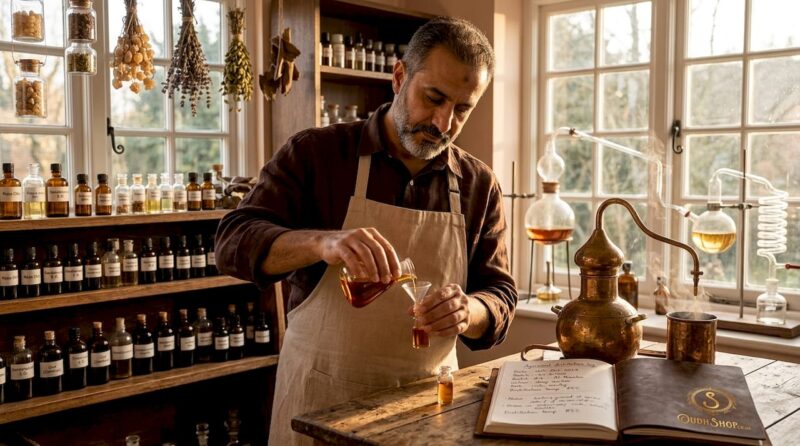
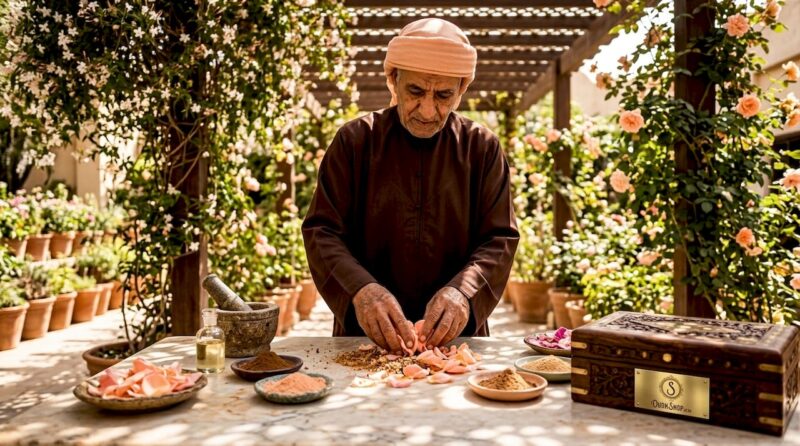
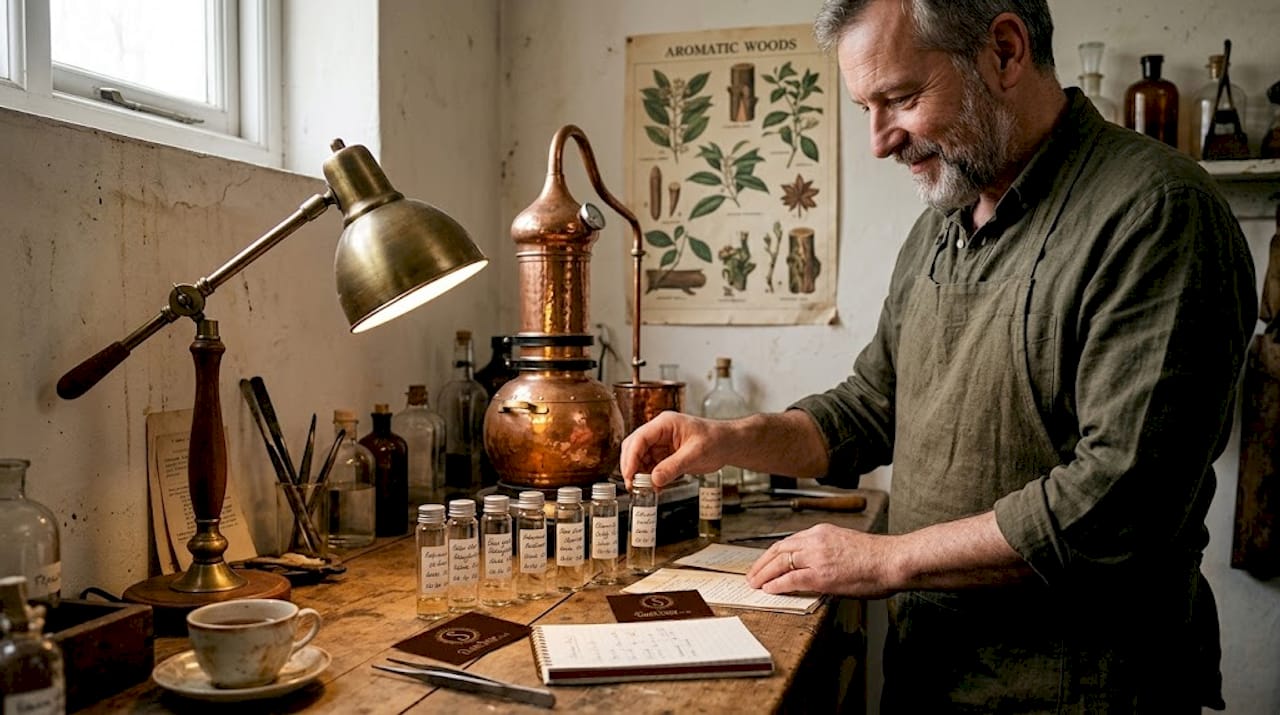
Traditional hydro-distillation uses low heat and long extraction times to gently coax aromatic compounds from Agarwood chips. This preserves a broader spectrum of molecules, resulting in oils with greater complexity, better sillage (the trail a fragrance leaves in the air), and more nuanced base notes. Industrial distillation, by contrast, uses pressure and heat to speed up the process, often at the cost of the ingredient’s finest qualities.
The power of ageing
Just as a great whisky improves in the cask, aged oud becomes smoother and more complex over time. Oud that has been properly stored for ten years or more develops rounded, meditative qualities that younger oils simply cannot replicate. The animalic sharpness softens, and deeper woody and balsamic notes emerge with remarkable clarity.
“Aged oud is not simply old oud. It is oud that has been given the gift of time, allowing its most sophisticated facets to rise gracefully to the surface.”
Here is what to look for when sourcing artisanal and aged oud in the UK:
- Ask specifically for the distillation method and year of distillation.
- Request documentation of origin, particularly for wild-sourced oils.
- Seek out sellers who work directly with traditional Arabian or Southeast Asian distillers.
- Explore our guide to exquisite fragrance for deeper context on sourcing and scent profiles.
- Consider working with Arabian oud wholesalers for access to rarer batches at collector quantities.
| Factor | Artisanal oud | Industrial oud |
|---|---|---|
| Extraction time | Long, gentle process | Rapid, pressurised |
| Aromatic complexity | Very high | Moderate |
| Sillage and longevity | Exceptional | Variable |
| Price point | Premium | Accessible |
| Collector value | High and appreciating | Lower over time |
How to identify and collect unique oud for your perfume wardrobe
Knowledge is your greatest asset in the oud market. With a growing number of sellers offering oils of varying authenticity, UK collectors need practical tools to evaluate what they are buying and build a collection that holds genuine value and sensory richness.
Here is a structured approach to collecting with confidence:
- Research the seller thoroughly. Look for transparent sourcing information, named origins, and a willingness to discuss distillation methods. Vague descriptions such as “premium oud blend” without further detail are a warning sign.
- Understand what wild oud smells like. Wild oud has a living complexity — animalic, resinous, and evolving on the skin over hours. Synthetic oud tends to smell clean and consistent but flat, lacking the dynamic arc of a natural oil.
- Seek attars from historic Arabian houses. Authentic Arabian houses such as Abdulsamad Al Qurashi and Amouage offer pure oud attars with verifiable provenance.
- Buy small first. Attar vials and sample sizes allow you to evaluate a fragrance over several wearings before investing in a full bottle.
- Consult community expertise. Fragrance forums and collector communities are invaluable for verifying sellers and discovering lesser-known artisan distillers.
Pro Tip: When testing oud, apply a small amount to the inside of your wrist, wait thirty minutes, and then smell again. Oud reveals its true character in the dry-down, not at first application.
A useful checklist for building your collection:
- At least one wild-harvested single-origin oud attar
- One aged oud (ten years or older, if possible)
- A regionally diverse selection covering at least two distinct origins
- One blended Arabian composition featuring natural oud as a prominent base note
- Access to a trusted authentic Arabic perfume source for ongoing discovery
Why true oud collectors think beyond the notes
Here is an observation that surprises many fragrance enthusiasts when they first encounter it: the most passionate oud collectors are rarely talking about how something smells. They are talking about where it came from, who distilled it, how old it is, and what tradition it represents. Scent, for them, is almost secondary to story.
This is not pretension. It is a recognition that oud is one of the few natural perfume ingredients with a genuinely ancient cultural biography. It appears in classical Arabic poetry, in religious ceremony across Asia and the Middle East, and in the intimate rituals of hospitality that have shaped entire civilisations. When you choose an Arabian perfume with genuine oud at its heart, you are participating in that history.
The uncomfortable truth for many newcomers is this: if your sole criterion for choosing an oud fragrance is whether it smells pleasant on first application, you will miss the most interesting bottles entirely. The finest oud often requires patience, skin time, and a willingness to sit with something complex and unfamiliar. Those who invest that patience are consistently rewarded with a depth of experience that mass-market fragrance simply cannot offer.
Explore authentic oud perfumes and gifts at Oudh Shop
If you are ready to take your collection to the next level, Oudh Shop brings the very best of authentic oud perfumery directly to UK fragrance enthusiasts.
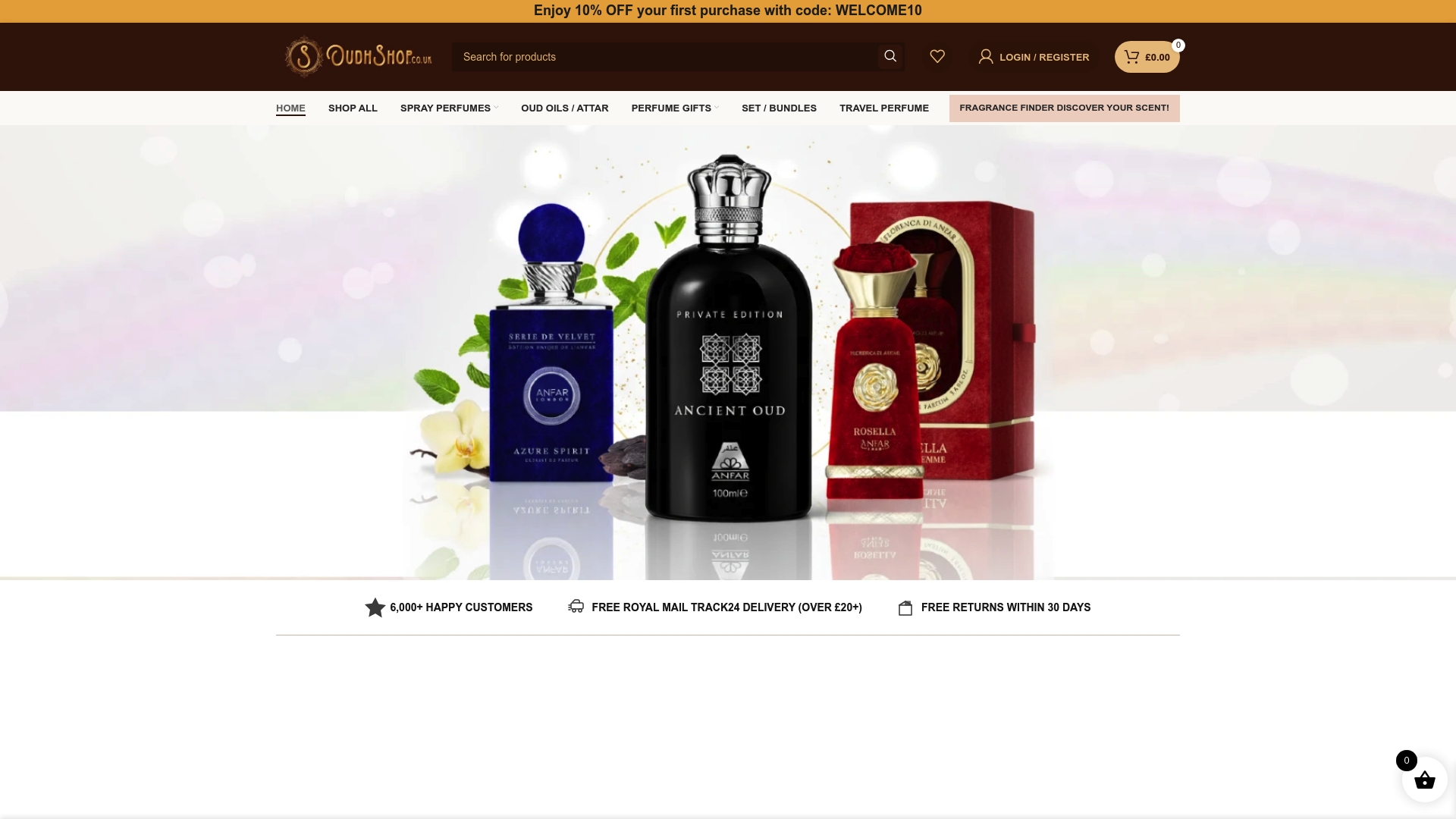
Our hand-curated shop all oud perfumes range features genuine Arabian oud fragrances with transparent sourcing and masterful composition. Not sure where to begin? Our perfume finder tool guides you to the perfect scent based on your preferences, whether you favour earthy Assam-style depths or the sweeter warmth of Cambodian blends. For those looking to share the magic of oud with someone special, our perfume gift selections offer beautifully packaged options that make a genuinely memorable impression.
Frequently asked questions
What is the difference between wild and synthetic oud?
Wild oud is produced naturally in only about 2% of Aquilaria trees and is significantly rarer and more expensive than synthetic alternatives, which are laboratory-engineered approximations lacking natural complexity.
Can aged oud really change the fragrance profile?
Yes. Ageing enhances smoothness and complexity in oud considerably, softening sharper animalic facets and allowing deeper balsamic and woody notes to develop over time.
Where can UK collectors buy authentic Arabian oud?
UK collectors should choose reputable, transparent sellers and seek attars from historic Arabian houses such as Abdulsamad Al Qurashi or Amouage, both of which offer verifiable pure oud attars.
What is Qinan or Kinam oud and why is it so prized?
Kinam offers tongue-numbing spice and exceptional rarity, making it the most coveted variety among serious oud collectors worldwide, often valued above all other regional types.
Recommended
- Oud Perfumes | Oud Attar | Musk Perfumes | Nextday Delivery
- Explore alluring oud notes to enrich your collection
- Oud fragrance selection: 8 steps for 12-hour authentic wear
- Gift-worthy oud scents: top luxurious picks for unforgettable presents
- Premium grounding scents for mindful wellness in 2026 – mi KALMA