
Luxury Arabian Oud Perfume Blog: Your Guide to Exquisite Fragrances
Perfume application tips to enhance scent lasting power
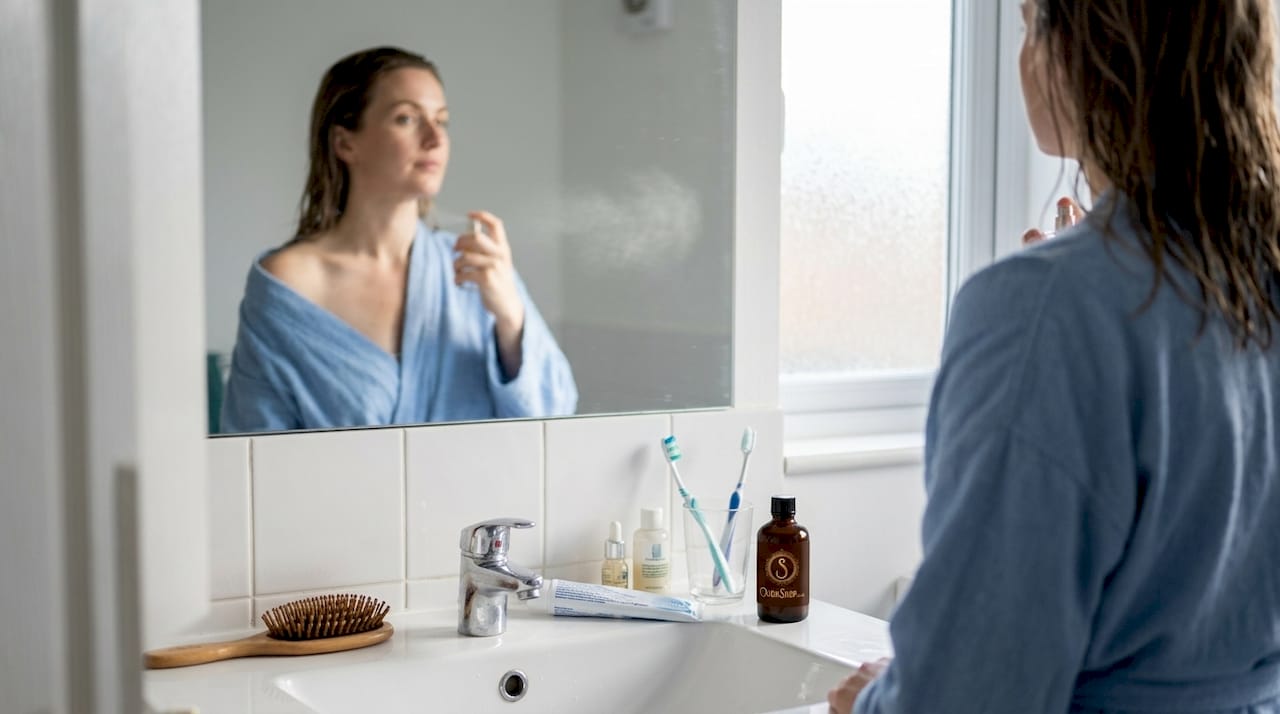
You spritz your favourite perfume before heading out, only to discover it has vanished by lunchtime. This frustrating scenario is all too common among fragrance enthusiasts across the UK. Proper application techniques can transform fleeting scents into lasting impressions that carry you confidently through your entire day. Whether you are new to perfume or seeking to maximise your existing collection, understanding how to apply fragrance correctly unlocks its full potential and ensures you get the most value from every precious drop.
Table of Contents
- Key takeaways
- Understanding perfume basics and preparation
- Step by step perfume application techniques
- Common mistakes to avoid and troubleshooting scent issues
- How to verify and maximise perfume impact throughout the day
- Explore long lasting oud and musk perfumes at Oudh Shop
- Frequently asked questions
Key Takeaways
| Point | Details |
|---|---|
| Concentration matters | Higher concentrations such as perfume oils and eau de parfum tend to last longer on skin than lighter formats. |
| Skin type matters | Oily skin holds scent molecules longer while dry skin allows faster evaporation, so adjust your routine accordingly. |
| Moisturising extends wear | Apply an unscented moisturiser to pulse points at least five minutes before spraying perfume to lock in scent. |
| Spray technique basics | Hold the bottle 15 to 20 centimetres from skin, spray one to two pumps on each pulse point, and let it settle without rubbing. |
| Layering extends wear | Layer with matching body products if available to create depth and prolong fragrance. |
Understanding perfume basics and preparation
Before you spray a single drop, understanding the fundamentals of perfume types sets the foundation for success. Eau de parfum typically contains 15 to 20 percent fragrance oils, whilst eau de toilette holds just 5 to 15 percent. This concentration difference directly impacts how long your scent lingers on skin. Perfume oils offer the highest concentration and often provide the most impressive longevity, making them ideal for those seeking all day wear without reapplication.
Your skin type plays a surprisingly significant role in how fragrance performs throughout the day. Oily skin naturally holds scent molecules longer because the oils trap and slowly release fragrance over time. Dry skin, conversely, allows perfume to evaporate more quickly, leading to shorter wear times and weaker projection. Understanding your skin’s unique characteristics helps you select appropriate products and adjust your application routine accordingly.
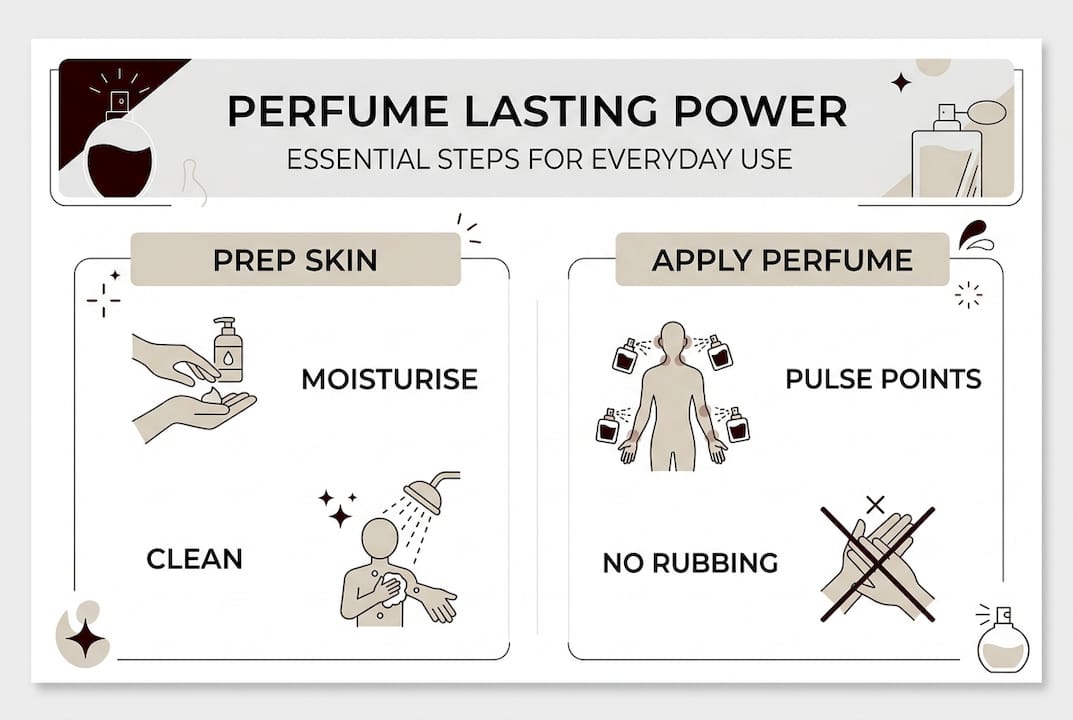
Moisturising before perfume application creates a hydrated base that locks in scent molecules more effectively. Think of dry skin like parched earth that cannot hold water, whilst moisturised skin resembles fertile soil that retains moisture beautifully. Apply an unscented body lotion or matching scented moisturiser to pulse points at least five minutes before spraying perfume. This simple preparation step can extend your fragrance wear by several hours.
Proper skin preparation involves more than just moisturising. Consider these essential steps to optimise your canvas:
- Shower with unscented or lightly scented products to avoid competing fragrances
- Pat skin completely dry before applying any moisturiser or perfume
- Wait until your skin reaches normal temperature after bathing for best absorption
- Apply moisturiser to pulse points and allow it to absorb fully
- Avoid heavily fragranced body products that clash with your chosen perfume
These foundational practices ensure your skin is primed to receive and hold fragrance molecules effectively, maximising both longevity and projection throughout your day.
Step by step perfume application techniques
Pulse points are strategic locations where blood vessels sit close to the skin surface, generating warmth that naturally diffuses fragrance into the air around you. The most effective pulse points include your wrists, the base of your throat, behind your ears, inside your elbows, and behind your knees. These warm zones act as natural diffusers, releasing scent gradually as your body temperature fluctuates throughout the day.
Mastering the correct application technique transforms how your perfume performs. Follow these precise steps for optimal results:
- Hold the perfume bottle 15 to 20 centimetres away from your skin to ensure even distribution without oversaturation
- Spray one to two pumps on each pulse point, starting with your wrists and moving to your neck
- Allow the perfume to settle naturally on your skin without touching or disturbing it for at least 30 seconds
- Apply a light mist to the back of your neck or behind your ears for subtle projection
- Consider spraying once in the air and walking through the mist for a delicate all over application
- Layer with matching body products if available to create depth and extend wear time
The cardinal rule of perfume application is never rubbing your wrists together after spraying. This common habit actually crushes fragrance molecules and disrupts the carefully crafted note structure that perfumers designed. Applying perfume to pulse points without rubbing preserves the integrity of top, heart, and base notes, allowing them to unfold naturally over time.
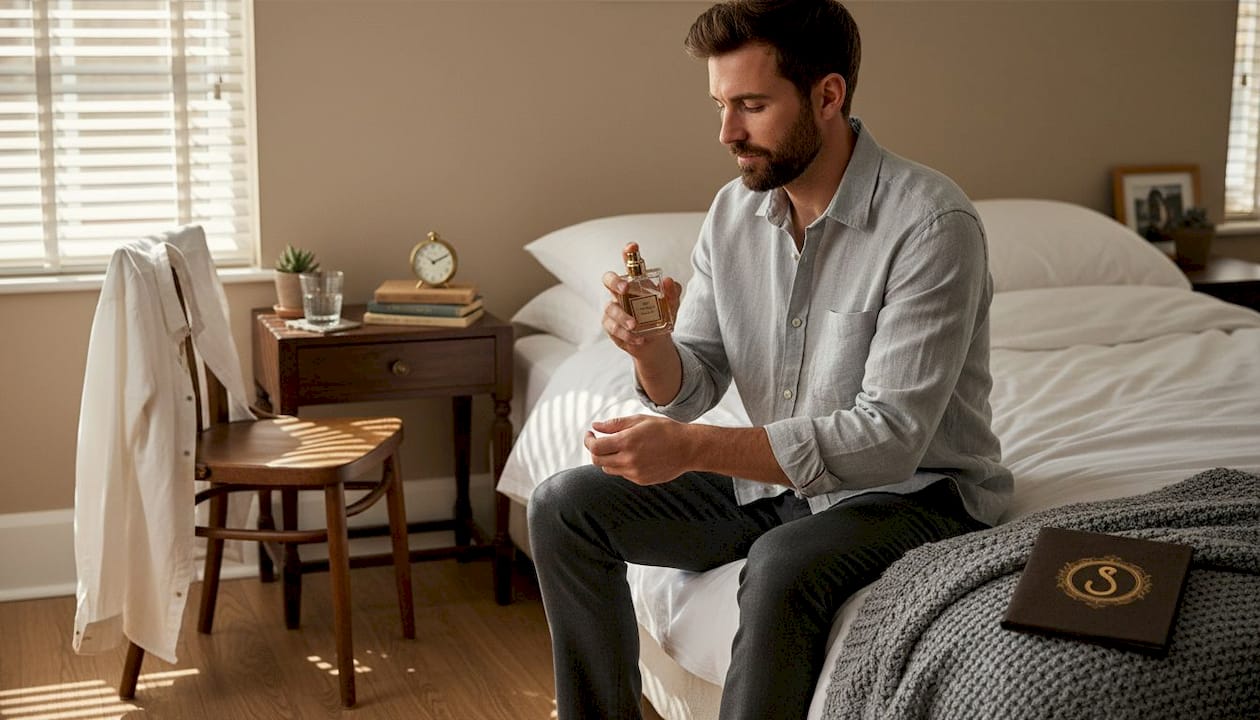
Pro Tip: Apply your perfume immediately after showering whilst your skin is still slightly damp and your pores remain open. This timing allows fragrance molecules to penetrate more deeply into your skin, creating a longer lasting scent foundation that evolves beautifully throughout the day.
When applying perfume to clothing or hair, exercise caution to avoid damage or staining. Spray from at least 30 centimetres away and test on an inconspicuous area first. Hair holds scent remarkably well due to its porous structure, but direct application can dry out strands. Instead, spray perfume on your hairbrush and gently comb through, or mist lightly from a distance to avoid alcohol damage.
Common mistakes to avoid and troubleshooting scent issues
Many fragrance enthusiasts unknowingly sabotage their perfume’s performance through simple but critical errors. Spraying only on clothing prevents the fragrance from interacting with your unique skin chemistry, resulting in a flat, one dimensional scent that lacks depth and warmth. Over spraying creates an overwhelming cloud that quickly leads to olfactory fatigue, where you can no longer detect your own fragrance and mistakenly apply more.
Avoiding mistakes like over spraying preserves both perfume quality and your scent’s projection. Improper storage ranks among the most damaging habits, as heat and light break down fragrance molecules and alter the carefully balanced composition. Bathroom storage, despite its convenience, exposes perfumes to humidity and temperature fluctuations that accelerate degradation.
Several factors contribute to disappointing perfume performance. Your skin’s pH level affects how fragrance notes develop and project. Medications, diet, and hormonal changes can alter your natural scent and how perfume interacts with your chemistry. Environmental conditions like humidity, temperature, and air circulation influence how quickly alcohol evaporates and how far scent molecules travel.
Correct these common problems with targeted solutions:
- If perfume fades quickly, switch to higher concentration formulas like eau de parfum or perfume oils
- When scent seems weak, ensure you are moisturising properly before application
- For uneven projection, adjust the number of sprays and target different pulse points
- If fragrance smells different than expected, wait 20 minutes for the scent to fully develop
- When perfume seems to disappear, check your storage conditions and replace old bottles
Pro Tip: Refresh your perfume subtly during the day by applying a single spray to your inner wrists or the back of your neck rather than reapplying to the same spots. This technique prevents buildup whilst maintaining a consistent scent presence without overwhelming yourself or others around you.
Proper storage extends your perfume’s lifespan significantly. Keep bottles in their original packaging when possible, as boxes provide additional protection from light exposure. Store perfumes in a cool, dark cupboard away from windows and heating sources. Avoid the temptation to display beautiful bottles on vanities or windowsills, as constant light exposure causes discolouration and scent degradation. Choose perfume concentrations appropriate for your lifestyle and climate, opting for stronger formulations in hot weather when scents evaporate more rapidly.
How to verify and maximise perfume impact throughout the day
Verifying your perfume’s presence without becoming nose blind requires strategic checking techniques. Ask a trusted friend or colleague for honest feedback about your scent’s projection, as you naturally become desensitised to your own fragrance within 15 to 20 minutes of application. Step outside briefly and return to your space to reset your olfactory senses, allowing you to detect your perfume more accurately.
Layering fragrances creates complexity and significantly extends wear time compared to single applications. This technique involves building scent in stages using complementary products that share similar notes or fragrance families.
| Method | Advantages | Disadvantages | Best for |
|---|---|---|---|
| Single application | Quick and simple, lower risk of over application | Shorter wear time, less complexity | Daily wear, subtle scent preferences |
| Full layering | Maximum longevity, rich scent depth, personalised fragrance | Time consuming, requires multiple products | Special occasions, fragrance enthusiasts |
| Strategic layering | Balanced wear time, moderate complexity | Requires some planning and product knowledge | Regular use, extending favourite perfumes |
| Scent mixing | Unique personalised fragrances, creative expression | Risk of clashing notes, requires experimentation | Experienced users, signature scent creation |
Effective touch up methods maintain your fragrance presence without creating overwhelming intensity. Consider these recommended approaches:
- Carry a travel size atomiser with your perfume for convenient reapplication
- Apply a single spray to pulse points that have lost their scent rather than layering over existing perfume
- Use scented hand cream or body lotion in matching notes for subtle refreshment
- Spray perfume on a cotton pad and dab lightly on pulse points for controlled application
- Refresh your scent every four to six hours for eau de toilette, or six to eight hours for eau de parfum
Combining different perfume notes or using complementary scented products amplifies your fragrance’s impact and longevity. Layering scents appropriately extends perfume presence and creates a more immersive olfactory experience. Start with a scented body wash or soap in the shower, follow with matching body lotion, and finish with your perfume. This progression builds scent in layers that release gradually throughout the day.
Adapt your perfume routine to suit different weather conditions and occasions for optimal performance. Hot weather accelerates evaporation, so apply lighter, fresher scents or reduce the number of sprays to prevent overwhelming projection. Cold weather slows scent diffusion, making it ideal for richer, more intense fragrances that might feel too heavy in summer. Formal occasions call for sophisticated, subtle application, whilst casual settings allow for more generous use. Consider your environment and activities when selecting both fragrance type and application intensity to ensure your scent enhances rather than dominates your presence.
Explore long lasting oud and musk perfumes at Oudh Shop
Now that you understand the techniques for maximising perfume longevity, discovering fragrances specifically crafted for impressive staying power takes your scent game to the next level. Oudh Shop specialises in authentic oud and musk perfumes renowned for their exceptional lasting power and rich, evolving notes that develop beautifully throughout the day. These traditional Middle Eastern fragrances offer the depth and longevity that fragrance enthusiasts seek.
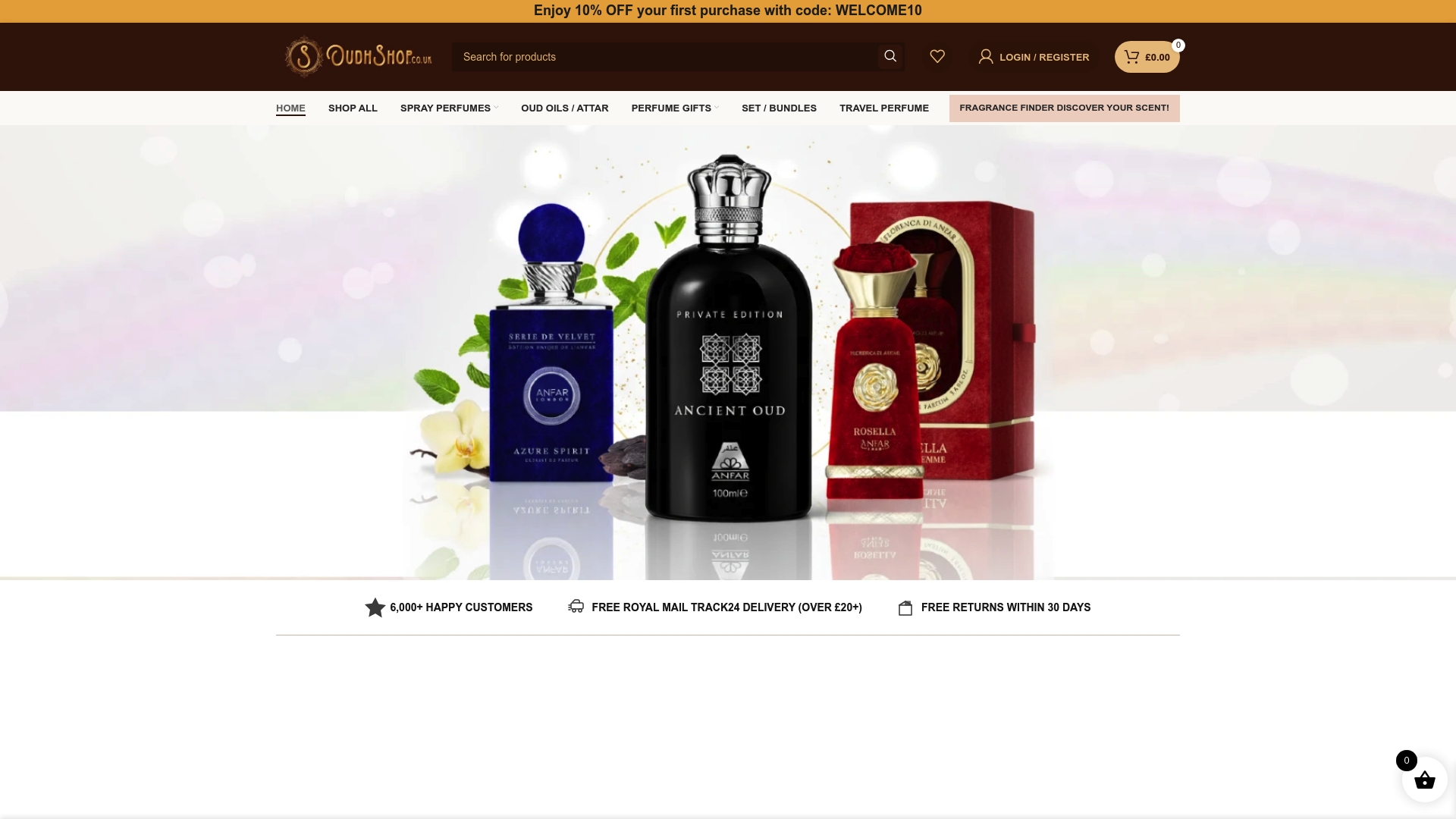
Our collection features carefully curated perfumes that respond beautifully to the application techniques you have just learnt. Whether you prefer the earthy warmth of genuine oud or the soft sensuality of musk, each fragrance is selected for its quality and performance. For those wanting to experiment before committing to full bottles, explore our travel size options perfect for testing application methods and discovering which scents work best with your unique chemistry.
Unsure where to start? Our Perfume Finder tool helps you navigate our extensive collection by matching fragrances to your preferences, lifestyle, and the occasions you are shopping for. This personalised approach ensures you select perfumes that not only last longer but also truly reflect your individual style and personality. Apply the techniques from this guide with fragrances designed to deliver exceptional performance, and experience the difference that quality ingredients and proper application make in your daily scent routine.
Frequently asked questions
How can I make my perfume last longer on dry skin?
Moisturise your skin thoroughly with an unscented lotion or body oil before applying perfume to create a hydrated base that holds fragrance molecules more effectively. Choose higher concentration perfumes like eau de parfum or perfume oils, as these contain more fragrance oils that adhere better to dry skin and provide extended wear time. Consider layering with matching scented body products to build scent depth that compensates for faster evaporation on dry skin.
What are the best pulse points to apply perfume?
The most effective pulse points include your wrists, the base of your throat, behind your ears, inside your elbows, and behind your knees, as these areas generate natural body heat that activates and diffuses fragrance throughout the day. Applying to pulse points strategically ensures your perfume projects consistently and lasts longer. Focus on two to three key points rather than all of them to avoid overwhelming projection whilst maintaining noticeable presence.
Is it better to spray perfume on clothes or skin?
Skin application is superior because your body heat helps fragrance notes develop and evolve naturally, creating the complex scent profile that perfumers intended. Spraying on clothes prevents this natural development and may cause staining or fabric damage, particularly with darker or oil based fragrances. If you do apply to clothing, spray from at least 30 centimetres away and test on an inconspicuous area first to check for potential discolouration.
How should I store perfume to maintain its quality?
Store your perfume bottles in a cool, dark cupboard away from direct sunlight, heat sources, and humidity to prevent fragrance degradation and maintain scent integrity. Keep bottles tightly closed when not in use and avoid temperature fluctuations by choosing a storage location with consistent conditions. Original packaging provides additional protection from light exposure, so retain boxes when possible and avoid displaying perfumes on vanities or windowsills where environmental factors accelerate deterioration.