Luxury Arabian Oud Perfume Blog: Your Guide to Exquisite Fragrances
Explore top Arabic scent families for authentic oud
TL;DR:
- Arabic perfumes feature high oil concentrations of 15–40% for enhanced longevity and richness.
- Oud, amber, and musk are core scent families, each offering unique, enduring aromatic profiles.
- Layering different Arabic notes allows personalized, memorable fragrance gifts tailored to individual tastes.
Explore top Arabic scent families for authentic oud
Choosing an authentic Arabic perfume can feel overwhelming. The market is saturated with imitations, and without a solid grasp of scent families, you risk investing in something that fades within hours or simply misses the mark. The truth is, Arabic fragrances are built differently. With oil concentrations of 15–40%, they deliver a depth and longevity that most Western perfumes simply cannot rival. Whether you are building your own collection or searching for the perfect gift, understanding the core scent families in Arabic perfumery gives you the confidence to choose wisely and the knowledge to layer beautifully.
Table of Contents
- Understanding Arabic scent families
- Oud: The king of Arabic fragrances
- Amber and musk: Foundation notes in Arabic perfumes
- Comparing Arabic scent families: Oud vs amber vs musk
- A fresh perspective: Rediscovering Arabic scent layering for gifts
- Discover authentic oud perfumes and Arabic gifts
- Frequently asked questions
Key Takeaways
| Point | Details |
|---|---|
| Longevity boost | Arabic scent families feature high oil concentration and deep base notes for extended fragrance wear. |
| Layering possibilities | Blending oud, amber, and musk offers endless customisation for personal and gift fragrances. |
| Distinct aroma profiles | Each Arabic scent family—oud, amber, musk—delivers unique signature characteristics. |
| Ideal for gifting | Arabic perfumes make memorable gifts due to their lasting scents and personalised touch. |
Understanding Arabic scent families
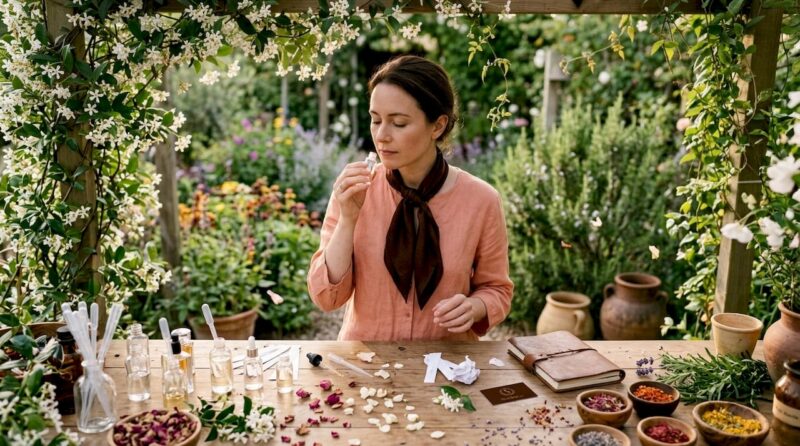
Arabic perfumery is not just a collection of pleasant smells. It is a centuries-old tradition rooted in craftsmanship, culture, and an intimate understanding of how fragrance interacts with skin, heat, and time. At the heart of this tradition lies the concept of scent families, which are groupings of fragrances that share similar aromatic characteristics, dominant notes, and emotional resonance.
In Western perfumery, fragrance families tend to be defined by broad categories such as floral, citrus, woody, or oriental. Arabic perfumery, by contrast, is far more anchored in its rich base notes. These deep, enduring ingredients form the soul of the fragrance and determine how it evolves across hours of wear. Understanding fragrance families explained is the essential first step in making informed choices.
The principal scent families in Arabic perfumery include:
- Oud (Agarwood): Deep, smoky, earthy, and resinous. Considered the most prestigious note in the Arab fragrance world.
- Amber: Warm, sweet, and balsamic with a golden richness that evokes sunlit resin.
- Musk: Soft, creamy, and powdery with an animalic depth that clings luxuriously to the skin.
- Rose: Velvety and romantic, often used to soften the intensity of oud or amber blends.
- Sandalwood: Smooth and milky, adding a woody creaminess that bridges other notes with elegance.
- Incense (Bakhoor): Smoky and ceremonial, evoking the burning of traditional Arabic incense chips.
What sets these families apart from their Western counterparts is how they prioritise longevity through base-heavy construction. A typical Western Eau de Toilette might last three to four hours. An authentic luxury Arabic perfume, crafted with concentrated oils, can project beautifully for eight to twelve hours or more.
Statistic to know: Arabic perfumes carry oil concentrations of 15–40% compared to the 5–20% typical of Western Eau de Parfum or Eau de Toilette, making every application a far more immersive olfactory experience.
This concentration also means that Arabic fragrances behave differently on the skin. They do not simply sit on the surface. They warm, bloom, and deepen over time, revealing new facets of the scent as your body temperature interacts with each layer of the blend. This is fragrance as a living, evolving art form.
Oud: The king of Arabic fragrances
No exploration of Arabic scent families would be complete without a devoted look at oud. Widely called “liquid gold” by fragrance connoisseurs, oud is arguably the most coveted and complex natural ingredient in perfumery. To truly appreciate it, you need to understand where it comes from.
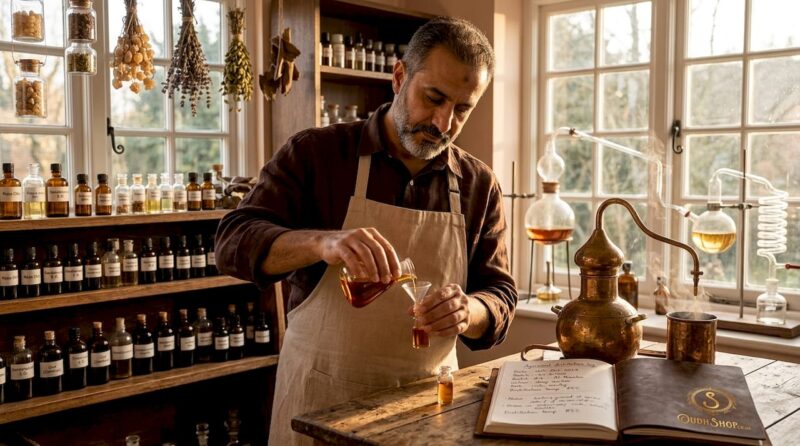
Oud is derived from Agarwood, a resinous heartwood that forms inside Aquilaria trees when they become infected with a specific type of mould. In response, the tree produces a rich, dark resin that permeates the wood over years or even decades. The result is a material of extraordinary aromatic complexity. To learn more about its origins and uses, explore what is oud perfume in detail.
The scent profile of oud is unlike anything else in the fragrance world. It is simultaneously:
- Smoky and woody: With a dry, almost leathery smokiness that signals quality and age.
- Earthy and animalic: Grounded and primal, carrying a natural warmth that feels deeply human.
- Sweet and balsamic: Particularly when aged or blended, revealing a surprising sweetness beneath the depth.
- Complex and evolving: Oud rarely smells the same from the first spray to the dry-down hours later.
The regional origin of oud also shapes its character significantly. Indian oud tends to be more animalic and intense, with strong barnyard notes that connoisseurs adore. Cambodian (Cambodian Oud) is sweeter and more approachable. Laotian oud is cleaner and lighter. Each origin tells a different story on the skin. Exploring our oud notes list will help you identify which regional character suits your palate.
Oud shines at its most spectacular when blended thoughtfully. The most popular and enduring combinations include:
- Oud and rose: A classic pairing that softens oud’s intensity with velvety floral warmth, beloved across the Gulf.
- Oud and amber: A rich, resinous partnership that deepens both notes and creates extraordinary longevity.
- Oud and musk: Smooth and sensual, with the musk’s creaminess rounding oud’s sharper edges beautifully.
- Oud and saffron: Exotic and opulent, adding a spiced, golden quality to the blend.
Regarding longevity, oud is unsurpassed as a base note. Because of its dense molecular structure, it adheres to the skin and fabric far longer than most notes. Combined with high oil concentrations of 15–40%, an oud-forward perfume can realistically last twelve hours or beyond on warmer skin.
Pro Tip: Apply your oud perfume to pulse points such as the wrists, neck, and inner elbows, where body heat amplifies the scent’s projection. For even greater longevity, layer it over an unscented moisturiser, which provides a base for the fragrance oils to cling to.
Amber and musk: Foundation notes in Arabic perfumes
Alongside oud, two foundational notes form the backbone of Arabic fragrance artistry. Amber and musk are not merely supporting players. They are architectural pillars that give Arabic perfumes their legendary warmth, softness, and staying power.

Amber in Arabic perfumery is rarely a single ingredient. It is a harmonious accord, most often comprising labdanum (a dark, sticky resin), benzoin, vanilla, and a touch of citrus or spice. Together, these create amber’s signature character: warm, golden, sweetly resinous, and profoundly comforting. Think of walking through a warm bazaar at dusk, surrounded by the scent of sun-baked wood and sweet resins. That is amber. Our amber oud perfume oil captures this quality beautifully in a concentrated attar format.
Musk, on the other hand, operates closer to the skin. Originally derived from the musk deer gland, modern musk in perfumery is predominantly synthetic, but it retains that essential quality of warmth and intimacy. In Arabic fragrances, musk tends to be used in its more animalic, creamy, or powdery expressions, creating a scent that feels personal and close. Explore our dedicated musk fragrance collection to discover how versatile this note truly is.
Here is how amber and musk work to anchor Arabic perfumes:
- They slow evaporation. Both notes are heavy molecules that evaporate slowly, meaning they extend the life of every note layered above them in the fragrance structure.
- They create sillage. Sillage refers to the trail a perfume leaves in the air. Amber and musk together create a rich, enveloping trail that lingers long after you have left the room.
- They harmonise contrasting notes. Oud can be intense; citrus can be sharp. Amber and musk blend these contrasts into a seamless, coherent fragrance story.
- They personalise to your skin chemistry. Because they interact so closely with body heat and natural skin scent, amber and musk create a subtly unique result on each individual wearer.
“The warmth of amber and the intimacy of musk are what make Arabic fragrances feel like a second skin rather than merely a scent.”
For a deeper understanding of how these two notes contrast and complement one another, our guide on oud vs amber fragrances is an invaluable resource. The 8–12 hour longevity typical of authentic Arabic perfumes is largely attributable to how amber and musk anchor the entire composition from the base upward.
Comparing Arabic scent families: Oud vs amber vs musk
Having profiled the top note families, let’s see how they stack up against each other for different fragrance needs. Whether you are selecting a perfume for your own daily ritual or choosing the ideal gift, this comparison will help you decide with confidence.
| Scent family | Aroma profile | Strength | Longevity | Best suited for |
|---|---|---|---|---|
| Oud | Smoky, earthy, dark, complex | Bold and intense | 10–12+ hours | Connoisseurs, evening wear, bold statements |
| Amber | Warm, sweet, resinous, golden | Medium to rich | 8–12 hours | Everyday luxury, gifting, universal appeal |
| Musk | Creamy, powdery, soft, intimate | Gentle to medium | 6–10 hours | Subtle wearers, layering base, casual wear |
| Rose oud | Floral, smoky, romantic, rich | Medium to bold | 8–12 hours | Romantic occasions, feminine gifts, evening |
| Incense/Bakhoor | Smoky, ceremonial, resinous | Very bold | 10–14 hours | Spiritual use, home fragrance, gifting |
This table reveals something important: no single scent family is definitively superior. The best choice depends entirely on who will wear the fragrance, in what context, and for what purpose.
For personal collections, oud is the natural starting point. Its complexity rewards those who take time to understand it. But for someone newer to Arabic perfumery, amber offers a more immediately accessible warmth that builds appreciation over time. Consulting a signature scent guide can help narrow down which family matches your personality and lifestyle most naturally.
For gifting, amber and musk are frequently the safer and more universally appreciated choices because of their approachable warmth and softness. Rose oud is particularly well received as a gift for women, while oud and amber blends tend to resonate deeply with men who appreciate bold, confident fragrance statements.
Here are a few practical considerations when choosing between families:
- Occasion matters: Bold oud works beautifully for evenings; musk is perfect for daytime subtlety.
- Season influences choice: Amber and musk feel especially cosy in autumn and winter; lighter musk expressions suit warmer months.
- Layering unlocks customisation: Applying a musk base oil before an oud spray, as detailed in our scent layering tips, creates a personalised signature that no single bottle could replicate.
- Concentration determines strength: Extrait de Parfum and attar formats carry the highest oil concentrations, ensuring the greatest longevity across all scent families.
With oil concentrations reaching up to 40%, even musk, the most understated of the three, becomes a genuinely tenacious and memorable fragrance when presented in an Arabic attar or concentrated oil format.
A fresh perspective: Rediscovering Arabic scent layering for gifts
In the UK, fragrance gifting has long followed a rather narrow convention. You choose a prestigious bottle, wrap it beautifully, and present it as a statement of taste and generosity. The bottle and the brand do the talking. But Arabic perfumery invites a fundamentally different philosophy, one that we believe is quietly transforming how thoughtful people approach scent gifts.
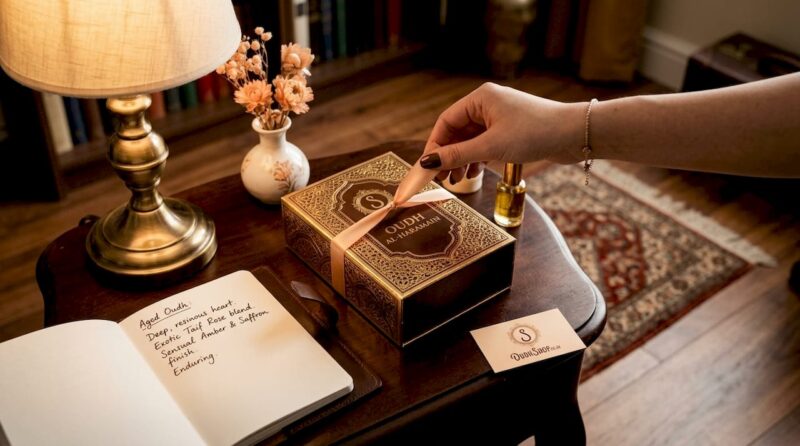
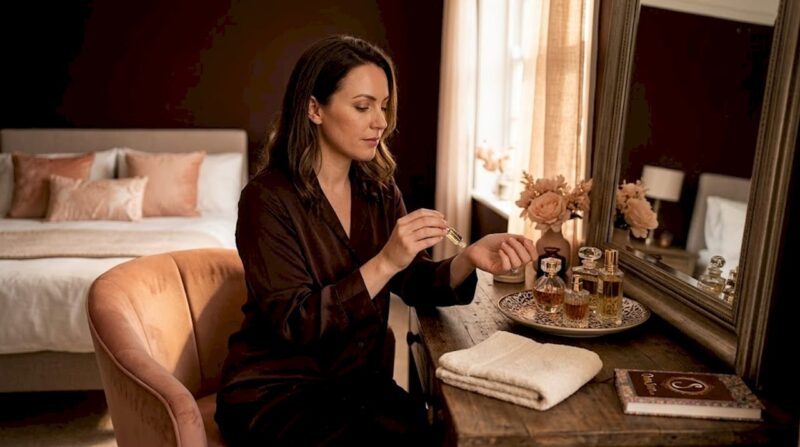
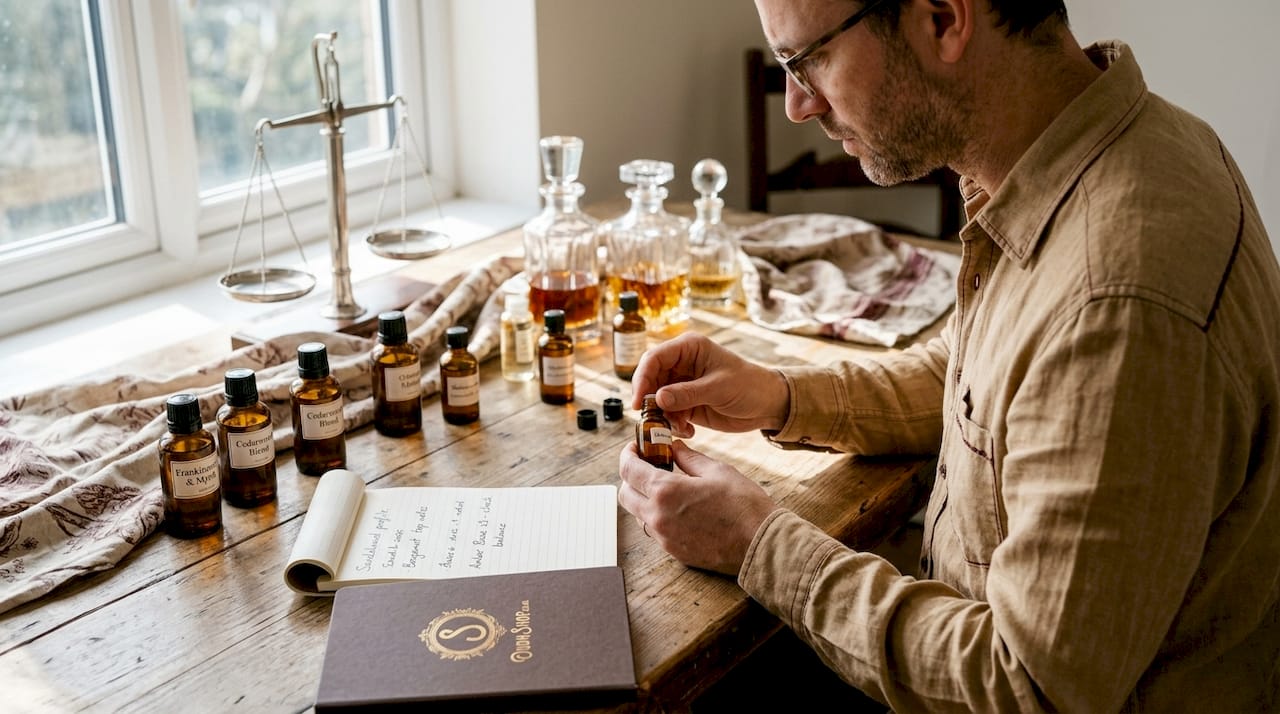
Layering is not simply a technique. It is an act of personalisation that elevates a gift from beautiful to genuinely memorable. When you combine an amber base with an oud spray, guided by what you know of the recipient’s preferences, you are not just giving a fragrance. You are creating a signature that belongs to them alone. No two people layer identically, because skin chemistry, body heat, and personal wear patterns all shape the final result.
This is why understanding scent families is so powerful for gifting. It gives you the vocabulary and the knowledge to curate, rather than simply select. Our detailed scent layering insights offer practical guidance on building these personalised combinations. We genuinely believe that a layered Arabic fragrance gift, presented with a note explaining the combination, is one of the most intimate and luxurious presents you can offer.
Discover authentic oud perfumes and Arabic gifts
If you are inspired to explore these scent families for yourself or as a gift, here is where to start.
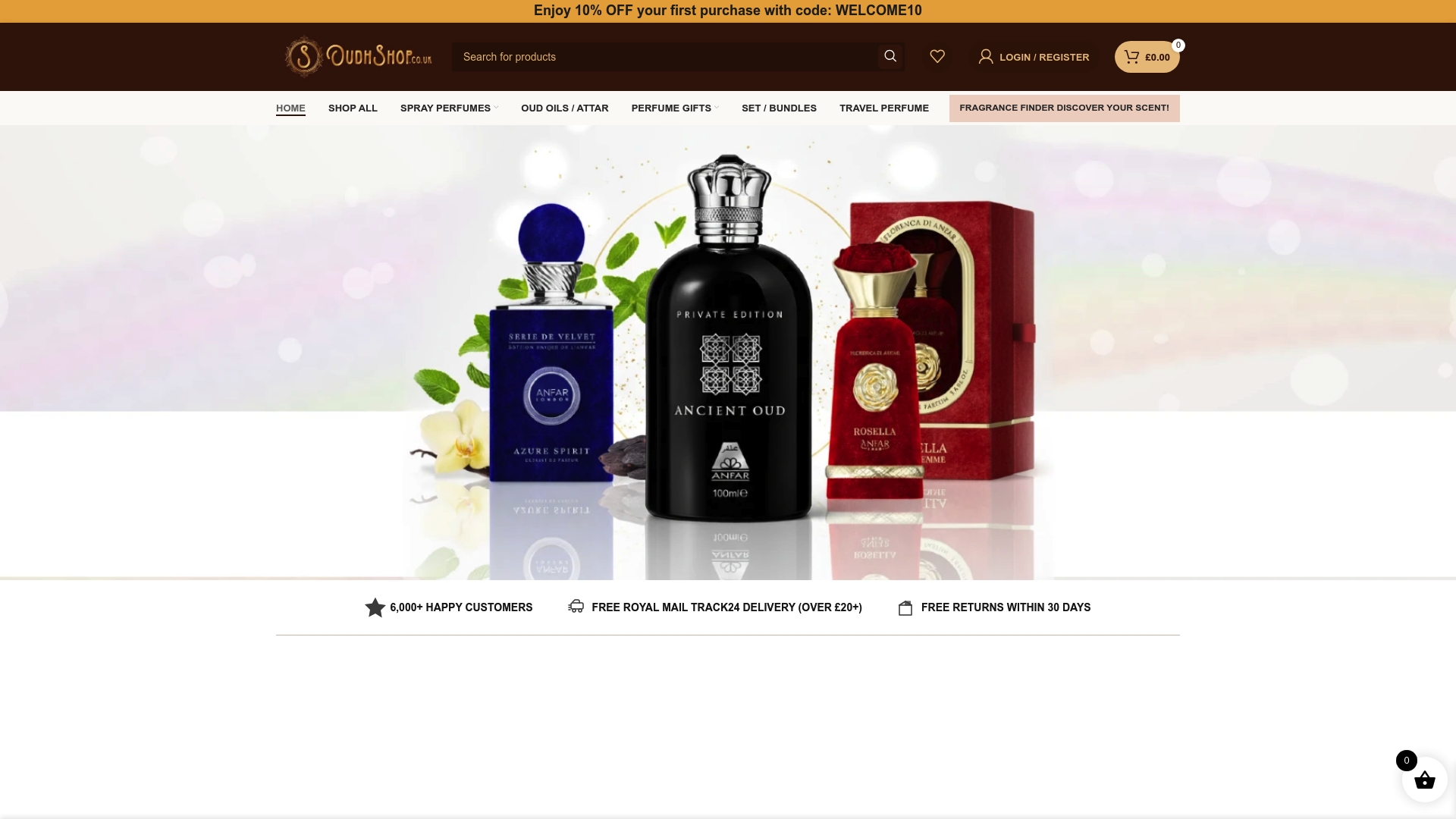
At Oudh Shop, we bring the full depth of Arabic perfumery to fragrance lovers across the UK. Our collection spans everything from rich, concentrated oud attars and warm amber perfume oils to delicate musk blends and exquisite oud and rose combinations. Every bottle in our range is selected for authenticity, quality, and that signature Arabic longevity that transforms fragrance from a daily habit into a genuine luxury ritual. Whether you are searching for a statement piece for your own collection, a travel-size discovery set to explore scent families at your own pace, or a beautifully presented gift for someone special, our range has the perfect option for every occasion and every budget. Visit us at Oudh Shop and let your senses lead the way.
Frequently asked questions
What makes oud perfume last longer than typical Western fragrances?
Oud perfumes contain higher oil concentrations, typically 15–40%, and use deep base notes like oud, amber, and musk that prolong scent duration for 8–12 hours or more on the skin.
What is the difference between amber and musk in Arabic perfumes?
Amber is sweet and resinous, delivering warmth and golden richness, while musk adds powdery, creamy depth that anchors a fragrance close to the skin and enhances longevity through layering.
Are Arabic perfumes suitable for gifting?
Yes, Arabic perfumes make exceptional gifts thanks to their long-lasting character and the opportunity for personalised layering, which means each gift can be uniquely tailored to the recipient’s taste.
Can I mix Arabic scent families for a unique perfume?
Absolutely. Combining notes like oud, amber, and musk through intentional scent layering creates a personalised fragrance signature that evolves beautifully on your skin throughout the day.