Luxury Arabian Oud Perfume Blog: Your Guide to Exquisite Fragrances
Find your signature scent: a guide to oud and Arabian perfumes

TL;DR:
- Oud and Arabian fragrances offer deep, complex scents with exceptional longevity and cultural heritage.
- Personal discovery through skin testing and layering creates a unique, lasting signature scent.
- Genuine exploration surpasses trends, leading to a more authentic and meaningful olfactory identity.
Finding a fragrance that feels genuinely, unmistakably you is harder than it sounds. Walk into any department store and you are immediately confronted with hundreds of bottles, each promising something extraordinary. Most people settle for something pleasant rather than something personal. If you have ever suspected that mainstream perfumery is missing the depth, longevity, and cultural richness you crave, oud and Arabian fragrances may be exactly what you have been searching for. This guide walks you through a structured, enjoyable process for discovering your signature scent, with a particular focus on the exquisite world of oud and Middle Eastern perfumery.
Table of Contents
- Understand what makes a signature scent
- Prepare: identify preferences and set expectations
- Test and evaluate: oud and Arabian perfume basics
- Customise and layer: curating your signature blend
- Why authentic discovery matters more than trends
- Continue your scent journey at Oudh Shop
- Frequently asked questions
Key Takeaways
| Point | Details |
|---|---|
| Know your preferences | Start by reflecting on your favourite scent families and lifestyle needs. |
| Test on skin | Always test fragrances on your cleansed skin for several hours to assess real development and wear. |
| Customise uniquely | Layering oud with complementary notes lets you create a truly personal signature. |
| Stay authentic | Choose what resonates with you, not just what is trendy or mass-marketed. |
Understand what makes a signature scent
A signature scent is more than a fragrance you wear regularly. It is an olfactory extension of your identity, a sensory impression you leave on every room you enter and every person you meet. Unlike a favourite outfit, a true signature scent feels inseparable from who you are.
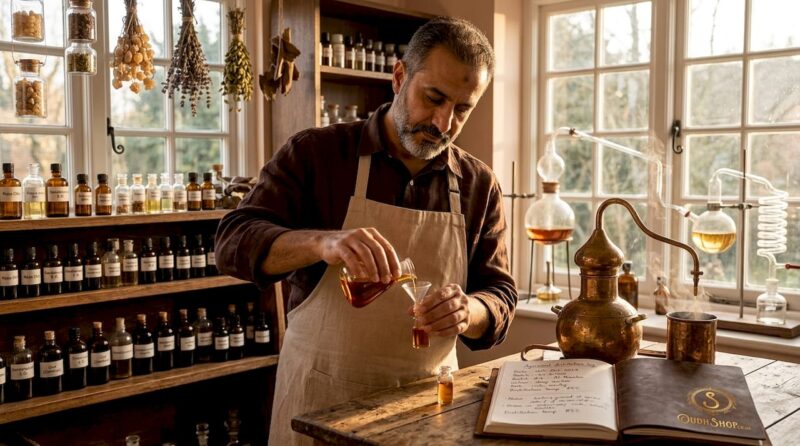
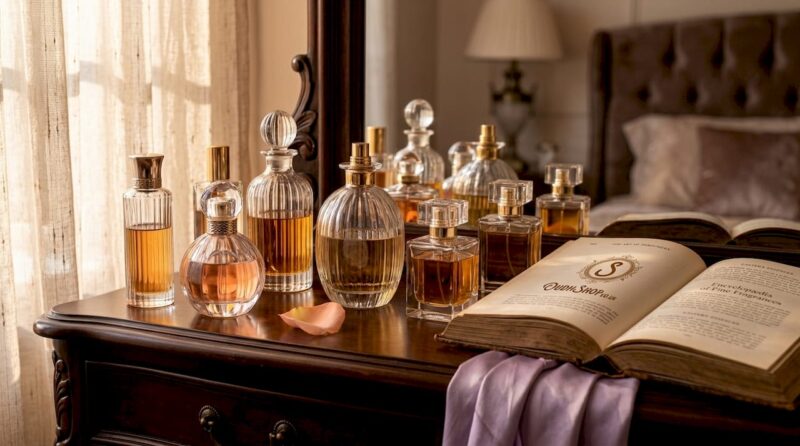
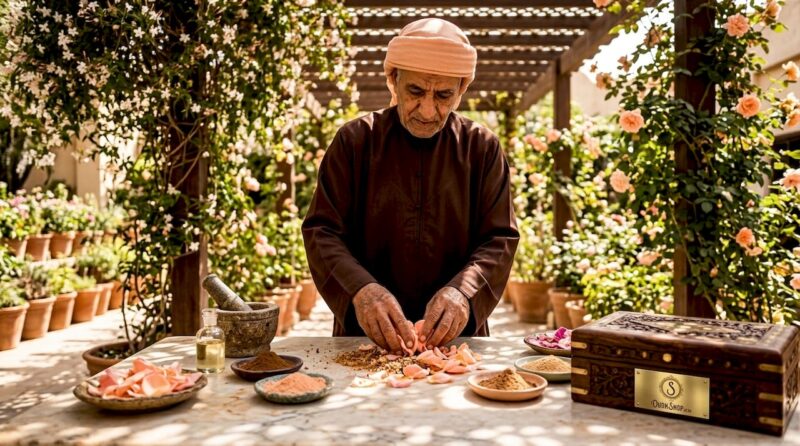
Oud and Arabian perfumes occupy a uniquely compelling position in this conversation. Derived from Agarwood, a resinous heartwood formed when the Aquilaria tree becomes infected with a specific mould, oud is sometimes called “liquid gold” for good reason. It is one of the most expensive raw materials in perfumery, prized for its smoky, woody, and animalic depth. Arabian fragrances build on this foundation with layered complexity, weaving in rose, saffron, amber, and incense to create compositions that evolve magnificently over hours.
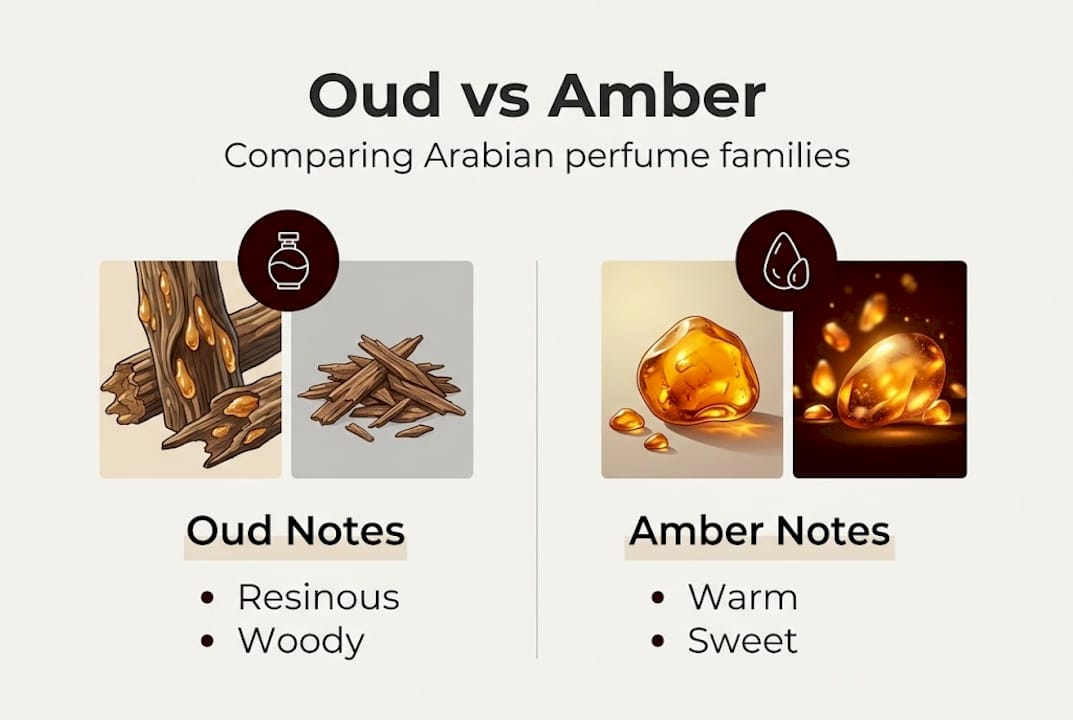
Understanding oud vs amber fragrance families is a useful starting point, as these two dominant families in Arabian perfumery each offer a distinct emotional register. Oud tends toward the bold and resinous; amber leans warmer and more enveloping.
The question of whether a signature scent should be fixed or flexible is genuinely debated. Some experts argue that a true signature is singular and consistent, a personal extension of self that never wavers. Others advocate for an evolving wardrobe of scents, adapting by occasion, season, or mood. Within oud culture specifically, traditionalists favour pure, heavy compositions while modernists embrace softer, blended, or synthetic oud for everyday wearability.
Here is a quick comparison to orient your thinking:
| Fragrance style | Character | Best for |
|---|---|---|
| Pure/traditional oud | Heavy, smoky, resinous | Evening, formal occasions |
| Blended oud (rose, musk) | Balanced, sensual, versatile | Daily wear, social settings |
| Amber-led Arabian | Warm, sweet, enveloping | Cooler months, intimate wear |
| Oud with citrus | Fresh, vibrant, modern | Warmer days, office wear |
Key traits that set Arabian fragrances apart include:
- Exceptional longevity: quality oud compositions typically last 6 to 24 hours on skin
- Sillage (the scented trail a fragrance leaves): notably stronger than most Western perfumes
- Cultural heritage: rooted in centuries of Middle Eastern tradition and ritual
- Complexity: multiple evolving layers from top notes through to deep base notes
Understanding the difference between oud and eau de parfum also helps set realistic expectations before you begin testing.
Prepare: identify preferences and set expectations
Before you test a single bottle, preparation makes the entire process more focused and far more rewarding. The goal here is self-knowledge, not guesswork.
Begin by identifying which scent families genuinely appeal to you. Core methodology for finding a signature scent starts with recognising preferred fragrance families such as woody, oriental, floral, citrus, resinous, and musk. For oud enthusiasts, the woody and oriental families are the most relevant entry points, though the best Arabian compositions often blend several families simultaneously.
Consider your lifestyle honestly. A fragrance worn to a London office on a Tuesday morning serves a different purpose than one chosen for a winter evening event. UK weather adds another layer of nuance: our variable climate often favours lighter, fresher blends during unpredictable spring and autumn months, while deeper, resinous ouds come into their own on cold, grey days.
Here is a practical preparation framework:
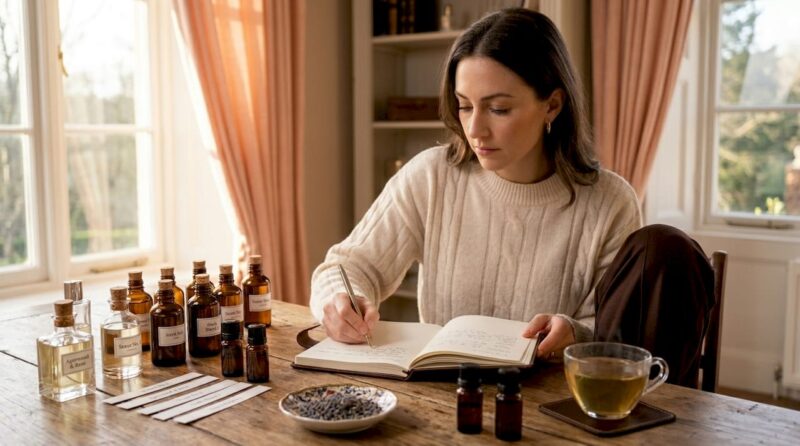
- Journal your instincts. Write down five scents from everyday life that you genuinely love. Fresh linen, sandalwood incense, rain on warm stone, spiced tea. These sensory anchors reveal your olfactory preferences more honestly than any quiz.
- Research fragrance notes. Explore the full oud notes list to familiarise yourself with the vocabulary of Arabian perfumery before visiting a counter or browsing online.
- Consider occasion and mood. Map your week and note where fragrance plays a role. Work, commuting, evenings out, weekends at home. Each context may call for a different intensity.
- Understand attar. If you are new to Arabian perfumery, learning the difference between attar and oud is genuinely illuminating. Attars are alcohol-free, oil-based perfumes with their own distinct character.
Pro Tip: Test fragrances when your nose is completely fresh, ideally in the morning before applying any other scented products. Avoid testing more than three fragrances in a single session, as olfactory fatigue sets in quickly and distorts your perception.
| Occasion | Recommended oud style | Intensity |
|---|---|---|
| Office/daytime | Oud with citrus or light musk | Moderate |
| Social evenings | Oud rose or oud amber | Strong |
| Formal events | Pure oud or oud incense | Bold |
| Casual weekends | Soft blended oud | Light to moderate |
Test and evaluate: oud and Arabian perfume basics
With your preferences mapped, the testing phase is where discovery becomes genuinely exciting. Oud and Arabian perfumes behave differently on skin compared to most Western fragrances, and understanding why transforms the experience.
Skin chemistry is everything. Oud evolves uniquely on each person because its resinous, woody, and smoky compounds interact with your body’s natural oils and pH level. A fragrance that smells purely smoky on a paper strip may reveal a stunning rose heart on your wrist an hour later. This is why testing on skin is non-negotiable, particularly with oud.

Natural oud and synthetic oud also behave differently. Natural Agarwood oil offers unparalleled depth and evolves in complex layers over many hours. Synthetic oud, used in many accessible blends, tends to be cleaner, more linear, and better suited to everyday wear. Neither is inherently superior; the right choice depends on your purpose.
Follow this step-by-step testing process:
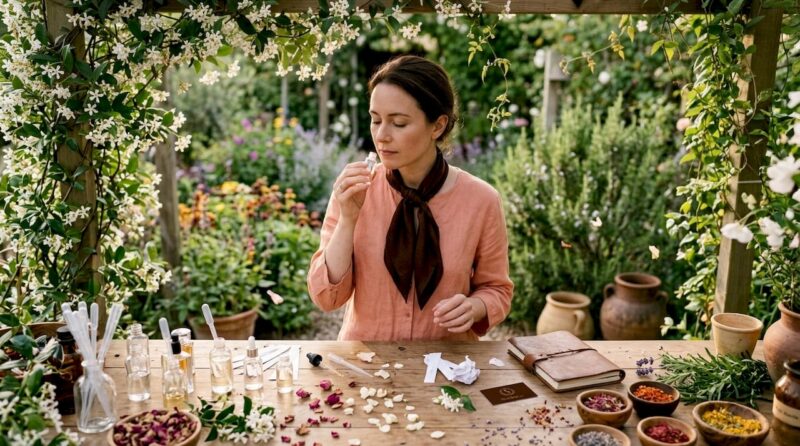
- Apply to clean, unfragranced skin. Pulse points on the wrist and inner elbow are ideal. Avoid rubbing the skin together, as this crushes the top notes and distorts the opening.
- Allow 15 to 30 minutes for the top notes to settle. The initial burst of a fragrance is rarely representative of its true character.
- Return after two hours. This is when the heart and base notes emerge fully, revealing the genuine personality of the oud.
- Evaluate sillage and longevity. Quality oud lasts considerably longer than most Western fragrances, with benchmarks of 6 to 10 hours for medium-strength compositions and 10 or more hours for heavier Extrait de Parfum concentrations.
“For oud and Arabian perfumes, always prioritise skin testing over paper strips. Oud evolves uniquely on each wearer, and longevity benchmarks of 6 to 24 hours for natural oud make patience during evaluation genuinely worthwhile.”
Pro Tip: According to layering experts, applying your oud base to moisturised skin post-shower significantly extends its bloom and longevity. Unscented body lotion creates an ideal canvas for Arabian fragrances.
Customise and layer: curating your signature blend
Once you understand how a fragrance behaves on your skin, customisation brings your personal touch. Layering is where Arabian perfumery truly distinguishes itself, offering a creative dimension that most Western fragrance traditions simply do not explore.
The guiding principle is restraint. Oud is a powerful base note with enormous presence, and the most exquisite blends use accent notes to complement rather than compete with it. Think of oud as the foundation of a masterful composition and every additional note as a carefully chosen instrument in the same orchestra.
Accent notes that pair beautifully with oud include:
- Rose: softens oud’s smokiness with a vibrant, floral warmth
- Saffron: adds a rich, spiced, almost leathery dimension
- Vanilla: introduces sweetness and rounds off sharper resinous edges
- Musk: extends sillage and creates a sensual, skin-close drydown
- Amber: deepens warmth and adds a golden, honeyed quality
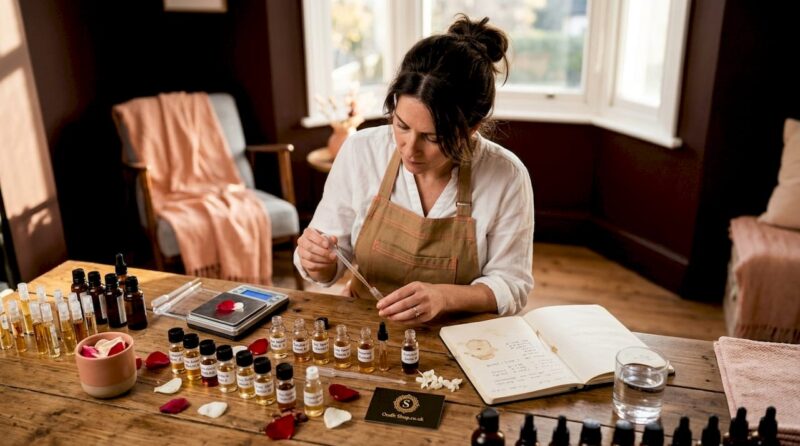
Here is how to build your own layered signature blend:
- Start with your oud base. Apply it to pulse points on moisturised skin and allow 15 to 30 minutes for it to fully bloom, as layering experts recommend.
- Add one accent note sparingly. A single spray or small application of a complementary fragrance is sufficient. Over-layering is the most common mistake.
- Wait and evaluate. Live with the combination for a full day before judging it. Fragrances shift dramatically over hours.
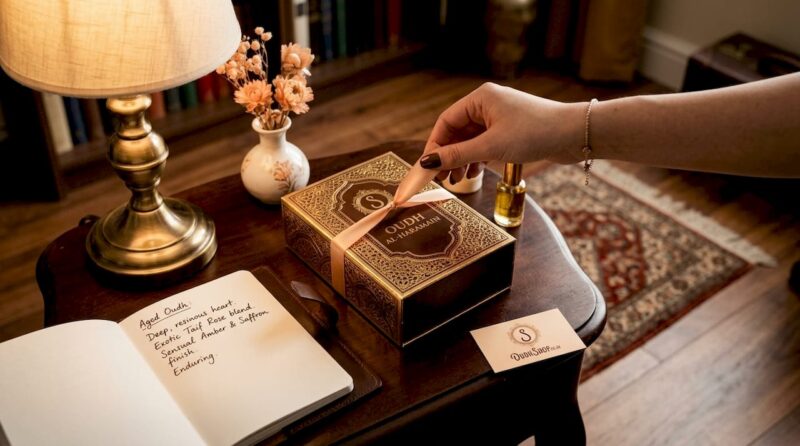
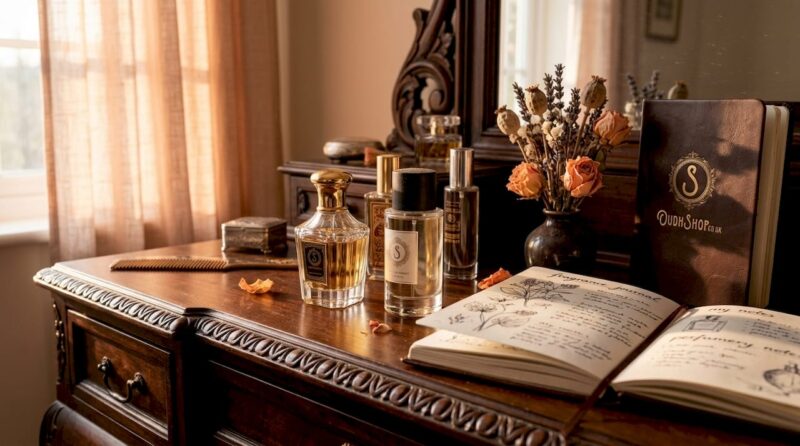
- Record your combinations. A simple journal noting which pairings you wore, when, and how they made you feel is invaluable for curating your identity through fragrance.
- Apply the two-wear rule. Never commit to a combination after a single wearing. Mood, skin condition, and environment all influence perception.
Discover the best oud attar options if you want to explore alcohol-free bases that layer exceptionally well with both traditional and contemporary accents. Attars offer remarkable concentration and are ideal for building long-lasting, personalised blends.
Your signature scent does not need to be fixed forever. Some of the most confident fragrance wearers maintain a small, curated wardrobe of two or three complementary compositions that rotate by season or occasion.
Why authentic discovery matters more than trends
Here is something the mainstream fragrance industry rarely tells you: following influencer recommendations or chasing bestseller lists is one of the least reliable ways to find a scent that truly resonates. Trends are designed to appeal to the widest possible audience, which means they are, almost by definition, not personal.
The most satisfying signature scents we have encountered at Oudh Shop were found through patient, experimental discovery rooted in genuine curiosity rather than external validation. Oud and Arabian perfumes are particularly well suited to this approach because they carry centuries of cultural heritage and artisanal craft. When you explore discovering unique oud notes with an open mind, you are not simply shopping. You are developing a genuinely personal olfactory language.
True scent confidence comes from knowing why a fragrance works for you, not just that others approve of it. That knowledge only comes through hands-on, unhurried exploration.
Continue your scent journey at Oudh Shop
Putting this guide into practice is the most rewarding step of all, and Oudh Shop is here to make it as enjoyable as possible.
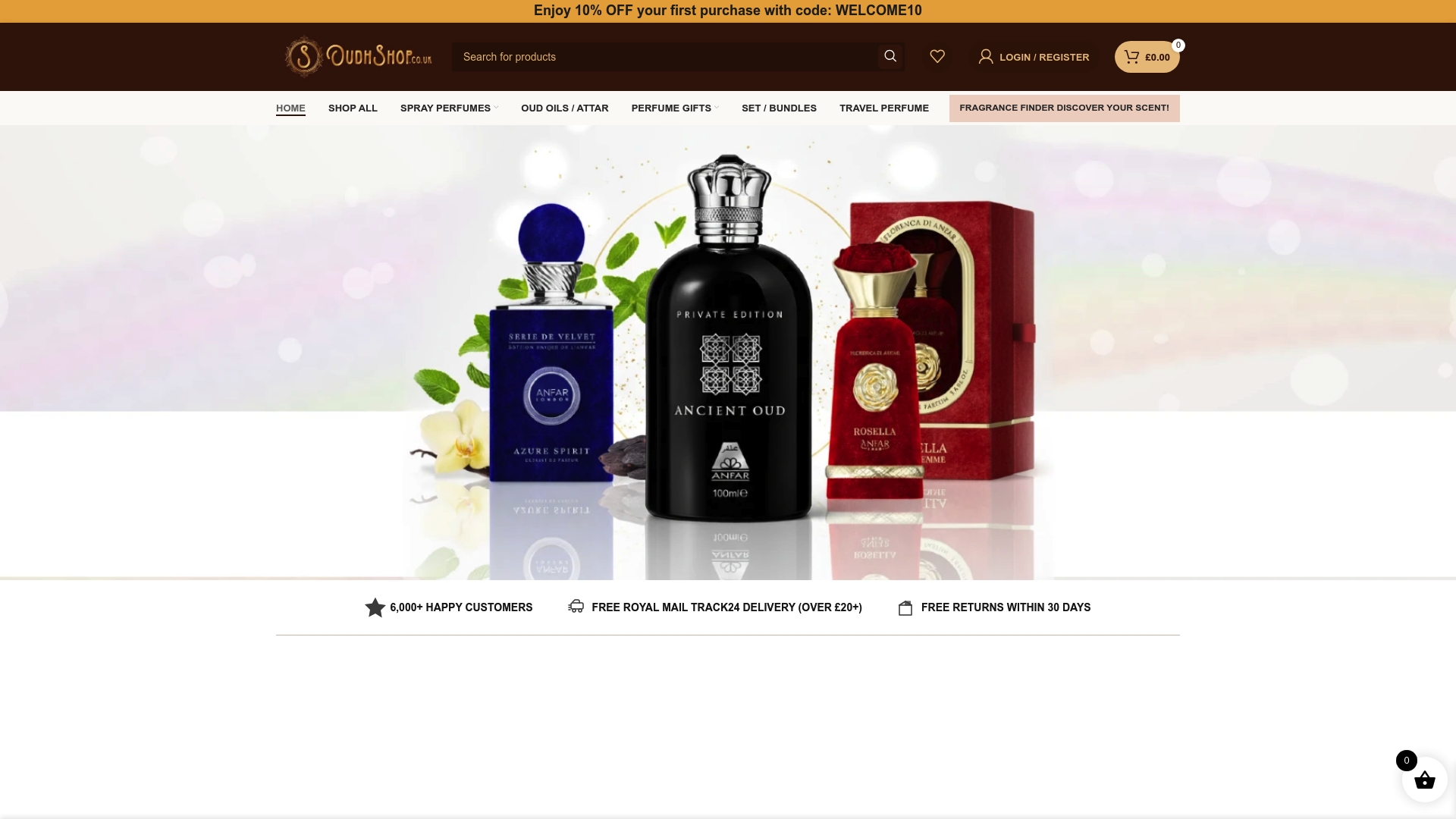
Use our personalised perfume finder to narrow down your ideal oud or Arabian fragrance based on your preferences and lifestyle. If you prefer to test before committing, our travel size perfumes and perfume testers make hands-on exploration effortlessly accessible. From authentic Agarwood oils to exquisitely blended Extrait de Parfum collections, every product in our range is curated to help you discover a scent that is genuinely, unmistakably yours.
Frequently asked questions
How do I ensure a scent will last all day?
Apply to clean, moisturised skin and allow the fragrance to settle fully before evaluating. Quality oud benchmarks range from 6 to 10 hours for standard compositions and 12 to 24 hours for natural Agarwood oils.
Can I have more than one signature scent?
Absolutely. Many experts advocate for an evolving scent wardrobe that adapts to seasons, occasions, and mood rather than a single fixed fragrance.
Is layering scents with oud recommended?
Yes, when done with restraint. Apply your oud base first and layer lighter accents such as rose, vanilla, or amber sparingly, as layering guidance suggests, to create a unique and long-lasting blend.
Does UK weather affect perfume choice?
It does. Lighter oud blends suit variable UK weather well, while heavier, resinous ouds perform beautifully on cool days and during evening wear when warmth helps project the scent.