Luxury Arabian Oud Perfume Blog: Your Guide to Exquisite Fragrances
How to sample oud scents: a complete guide
TL;DR:
- Properly sampling oud requires a neutral environment, quality materials, and patience to evaluate its evolution over time.
- Limiting tests to three scents at a time and waiting 20-30 minutes before judging ensure accurate impressions and avoid olfactory fatigue.
Oud is not a scent you meet once and fully understand. It is liquid gold in the most literal sense, a resinous extract from Agarwood that shifts, deepens, and surprises across hours of wear. For many fragrance lovers, knowing how to sample oud scents properly is the missing piece between loving a tester strip and making a confident, lasting purchase. Whether you are new to Middle Eastern perfumery or deepening a long-held passion, the way you approach sampling will determine everything. This guide offers you a precise, experience-led method for exploring oud with clarity and confidence.
Table of Contents
- Key takeaways
- How to sample oud scents: preparation essentials
- Step-by-step guide to proper oud sampling
- Common mistakes when sampling oud
- Interpreting oud profiles and matching them to your taste
- My honest take on learning to love oud
- Explore oud samples at Oudhshop
- FAQ
Key takeaways
| Point | Details |
|---|---|
| Prepare your environment | Sample in a neutral, odour-free space with clean blotter strips and unscented moisturiser to hand. |
| Allow time for dry-down | Wait 20 to 30 minutes after application before evaluating; top notes can mislead early impressions. |
| Sample no more than three scents | Testing too many at once causes olfactory fatigue and blurs your ability to distinguish profiles. |
| Scent evolution reveals quality | Authentic oud evolves over several hours; synthetic versions remain flat or fade quickly. |
| Use personal preference as your compass | Match oud profiles to intensity, occasion, and season rather than chasing what is trending. |
How to sample oud scents: preparation essentials
Before a single drop of attar touches your skin, the quality of your sampling experience is decided. Most people skip this stage entirely, and it costs them. Oud is one of the most complex aromatic materials in perfumery, and without the right conditions, you will misjudge scents that could have been genuinely extraordinary for you.
The materials you need
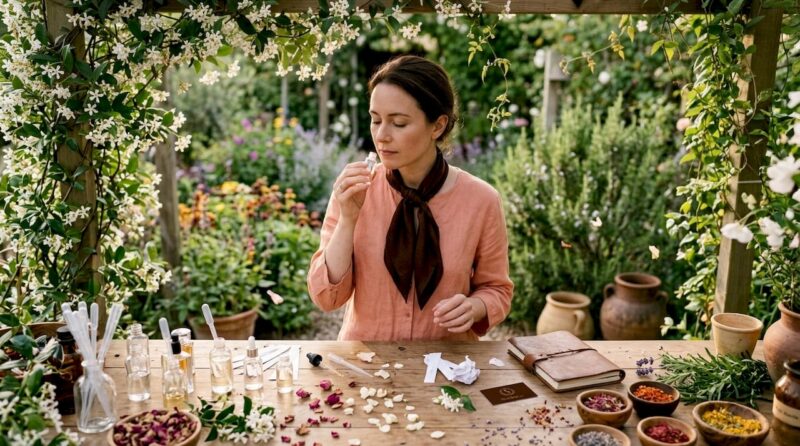
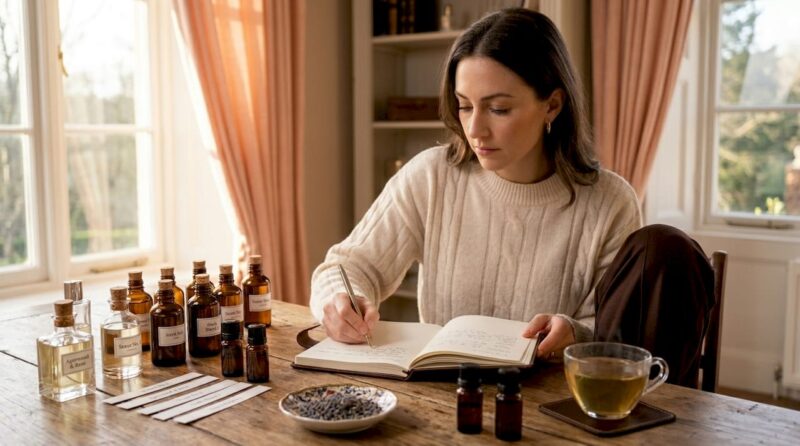
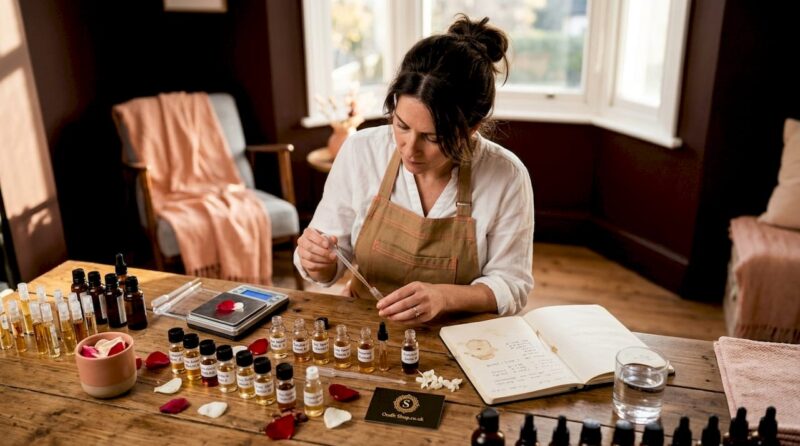
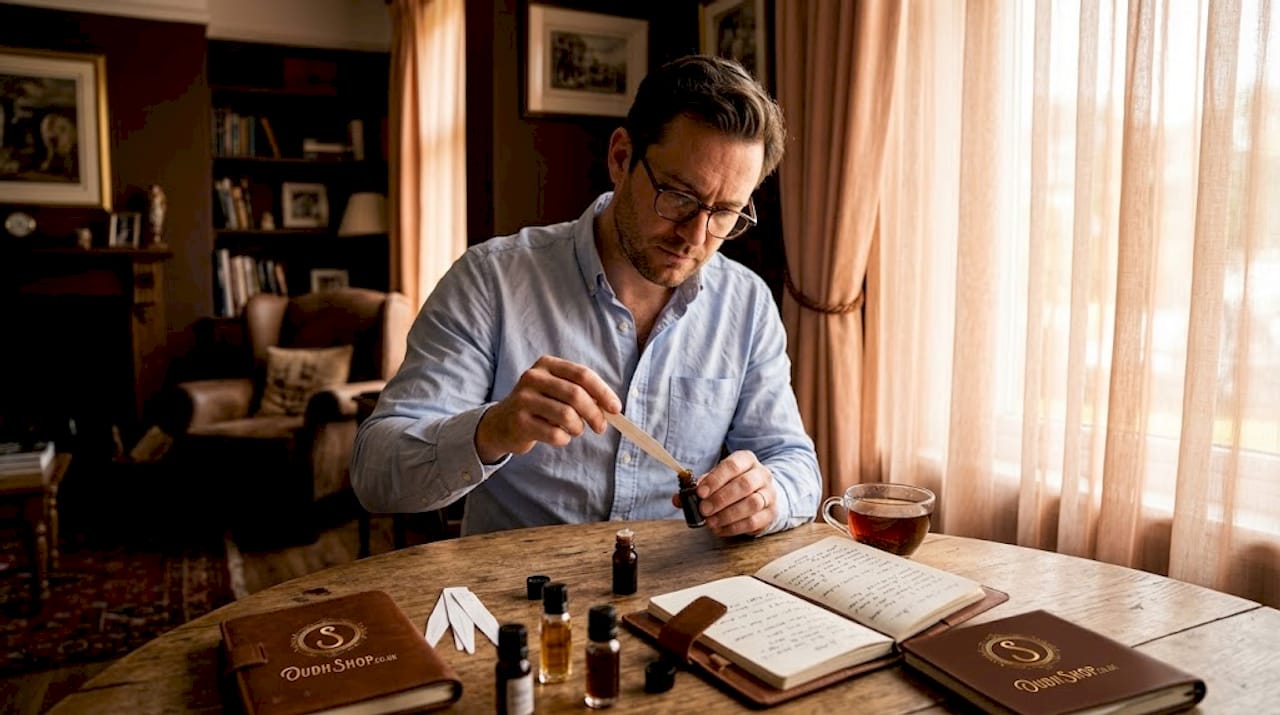
- Blotter strips (mouillettes): These are your first line of testing. Use clean, unscented paper strips to get an initial impression without committing the scent to skin.
- Unscented moisturiser: Applying a thin layer over pulse points before testing helps the fragrance project more evenly and, if needed, cuts projection by roughly 50% if the oud proves too intense.
- Tester vials or decants: Small sample sizes let you live with a scent over a full day, which is the only reliable way to judge an oud properly.
- Coffee beans or fresh air: Used between tests to reset your olfactory receptors, though stepping outside into neutral air is arguably more effective.
Setting the environment
Avoid sampling in kitchens, candle-heavy rooms, or anywhere with ambient fragrance. Oud’s base notes are rich in barnyard, wood, and smoke facets, and competing aromas will distort your perception considerably. A well-ventilated room with no cooking smells or synthetic air fresheners is ideal.
The right mindset
This is where most guides stop short. Scent triggers emotion before conscious analysis, which means your gut response in the first thirty seconds carries real information. Do not rush past it to become analytical. Notice what the scent makes you feel before you try to name it. Warmth? Unease? Nostalgia? That emotional data is more useful than any label.
Pro Tip: Allow samples to rest at room temperature for a few hours before testing if they have recently been refrigerated or shipped. Cold suppresses volatile top notes and will give you an inaccurate first impression.
Step-by-step guide to proper oud sampling
Once you are prepared, the actual sampling process follows a clear sequence. These oud scent sampling tips have been refined through experience and apply whether you are testing a traditional Cambodian Agarwood attar or a modern French-Arabian blend.
-
Start with the blotter. Hold the strip roughly two centimetres from the vial opening and touch it lightly. Do not dip the strip or apply too much. Fan the strip gently for ten seconds and take one slow inhale. This is your top note impression, the opening phrase of the composition.
-
Apply sparingly to skin. Beginners should use 1 to 2 sprays on a single pulse point, such as the inner wrist or the crook of the elbow. For oil-based attars, one small dab is sufficient. Less is genuinely more with oud.
-
Do not rub. Rubbing the wrist together is one of the most common mistakes in fragrance testing. It breaks down the top notes prematurely and gives you a distorted version of the scent’s natural progression.
-
Wait for the heart notes. After ten to fifteen minutes, the sharp opening will begin to soften. This is where oud’s character truly reveals itself. You may notice animalic warmth, floral undertones, or a resinous sweetness emerging. Take note of what surprises you.
-
Evaluate the dry-down at 30 minutes. The dry-down is the most important stage for oud. At this point, the base notes of wood, smoke, and resin should be present and stable. This is the version of the scent that will stay with you for hours.
-
Return to the blotter after an hour. Compare the dried blotter strip to your skin. The skin version will have evolved; the blotter gives you a static record of the opening character for reference.
Pro Tip: If you are comparing two or more oud scents in a single session, apply each to a different area of the body and label your blotters clearly. Limit yourself to three comparisons maximum to avoid olfactory fatigue, which dulls your ability to detect nuance after repeated exposure.
When layering oud with complementary accords such as rose, saffron, or musk, apply the lighter scent first and let it settle for five minutes before adding the oud. This prevents the heavier resinous character from drowning out the supporting notes entirely.
Common mistakes when sampling oud
Even experienced fragrance enthusiasts fall into familiar traps when exploring oud for the first time or revisiting it after a break. Recognising these pitfalls is half the battle.
- Testing too many scents at once. Three is a sensible maximum per session. Beyond that, your nose loses its ability to distinguish between profiles and you risk dismissing a truly beautiful oud simply because your senses were overwhelmed.
- Judging on first contact. Oud’s opening notes are often the least representative part of the composition. Sharp, medicinal, or barnyard impressions on first contact are common in high-quality traditional ouds and will transform dramatically within twenty minutes. Dismissing a scent in the first thirty seconds is one of the most costly mistakes a fragrance lover can make.
- Sniffing directly from the bottle. This delivers an overpowering concentration that bears little resemblance to how the scent will actually perform on skin. Always use a blotter or apply directly for accurate assessment.
- Ignoring the difference between authentic and synthetic oud. Authentic oud oil is viscous and smooth; watery or thin oils are often significantly diluted. On the blotter, genuine oud will develop across hours rather than fading within thirty minutes.
“No single test guarantees oud authenticity. Combining observations such as scent evolution, blotter longevity, oil texture, and wood density together provides the most reliable assessment.”
For a deeper understanding of how to distinguish natural from synthetic materials, the guide on identifying authentic oud offers a thorough breakdown of what to look for at each stage.
Interpreting oud profiles and matching them to your taste
Once you understand how to sample correctly, the next stage is learning to read what you are smelling and connect it to your preferences. This is where oud sampling becomes genuinely personal and exciting.
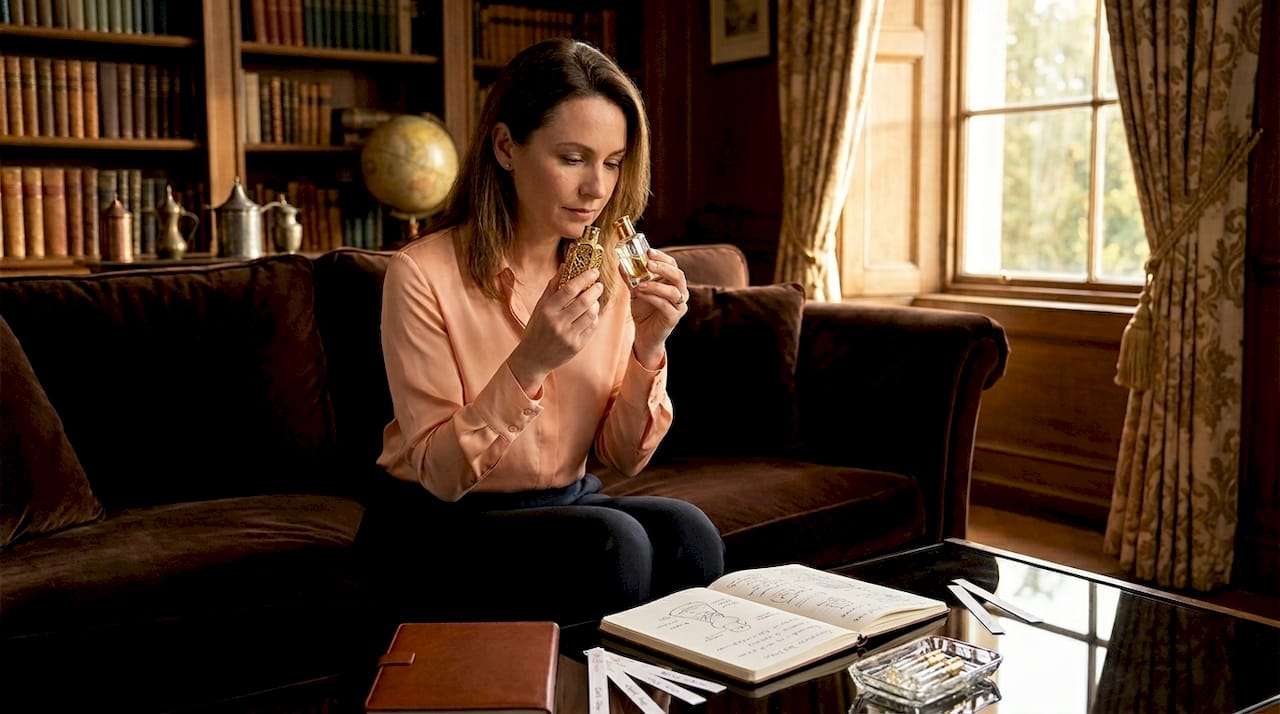
Understanding the main oud families
| Oud style | Character | Best suited to |
|---|---|---|
| Traditional Arabian oud | Dense, animalic, smoky, resinous | Those who want presence and longevity |
| Indian/Cambodian oud | Barnyard, leathery, deeply earthy | Connoisseurs comfortable with challenging complexity |
| Modern blended oud | Lighter, often rose or saffron-led | Those new to oud or preferring subtlety |
| French-Arabian fusion | Polished, woody, ambroxane-forward | Western fragrance lovers exploring oud for the first time |
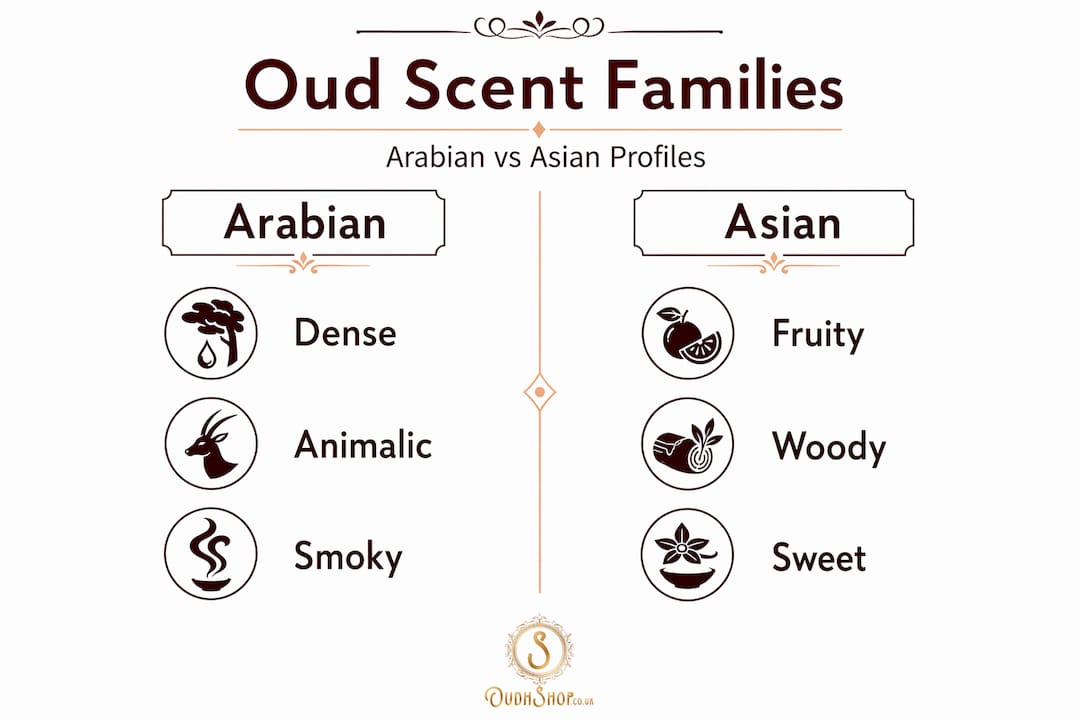
The ‘Arabian’ quality in fragrance is defined not only by oud content but by density, generosity, and intended presence, meaning some of the most striking Arabian-style scents use resins and ambroxane rather than raw Agarwood. Do not discount a blend simply because it departs from tradition. Oud is being reinterpreted for younger consumers with lighter profiles that balance tradition and modernity beautifully.
Factors that shape your preference
Beyond scent family, consider these four dimensions when evaluating any oud:
- Intensity: Does the sillage fill a room or remain intimate? Neither is superior; both serve different occasions.
- Longevity: Quality oud should last six to twelve hours on warm skin. Anything that fades within two hours warrants scrutiny.
- Warmth: Oud with strong musks or amber accords tends to read as sensual and enveloping. Cooler ouds with woody or citrus overlays feel more contemporary and versatile.
- Animalic notes: Traditional ouds carry a distinctive animalic character that some find profound and others find challenging. If you are new to this facet, start with a modern blended oud and build towards the more intense profiles gradually.
Pro Tip: Season matters enormously with oud. Heavy, resinous profiles shine in autumn and winter when the cold air slows the evaporation of base notes. For summer wear, explore lighter oud blends that sit closer to the skin without overpowering.
My honest take on learning to love oud
I will admit something. The first time I sampled a traditional Indian Agarwood attar, I nearly walked away from the whole category. The opening was dense, almost confrontational, and I could not see past it to understand what aficionados prized so deeply. That was a mistake born entirely from impatience.
What shifted my experience was learning to develop my nose over time by comparing verified samples and sitting with each one for a full day rather than a few minutes. The barnyard note I had found off-putting in the first hour became something entirely different by evening: warm, almost leathery, and deeply human in the best sense.
My honest view is that most people who claim they dislike oud have never actually sampled it properly. They have judged the opening and moved on. The heart and dry-down of a great oud are where the real conversation happens, and it is always worth the wait. Patience is not a passive state when sampling oud. It is the skill itself.
I also think the market’s move towards lighter, blended oud profiles is wonderful for newcomers, but do not stay there permanently. Fragrance buyers who distinguish between traditional Arabian, French niche, and fusion styles get far more from the category than those who only ever explore the accessible end. Push yourself gradually and your appreciation will deepen considerably.
— Oudh
Explore oud samples at Oudhshop
If this guide has sparked the desire to begin your own oud exploration, Oudhshop makes the process beautifully straightforward. The collection spans traditional attars and modern Arabian blends, with perfume testers available so you can sample multiple profiles before committing to a full bottle. For those who want to explore on the go, the range of travel size perfumes is ideal for living with a scent across different settings and temperatures. Not sure where to start? The Oudhshop perfume finder helps you narrow down the right profile based on your preferences, making the discovery process as rewarding as the scents themselves.
FAQ
How many oud scents should I test in one session?
Limit yourself to three scents per session to avoid olfactory fatigue, which dulls your perception after repeated exposure and makes accurate comparison nearly impossible.
How long should I wait before judging an oud perfume?
Wait at least 20 to 30 minutes after applying oud before forming a judgement, as the top notes are often the least representative stage of the composition.
How can I tell if an oud is authentic?
Authentic oud evolves significantly over several hours, becoming richer and smoother, while synthetic oud tends to remain flat or fade quickly. Genuine oud oil is also noticeably viscous rather than watery.
What is the best way to experience oud for the first time?
One of the most accessible ways to experience oud is through a modern blended profile that pairs Agarwood with rose or saffron, which softens the intensity and makes the category more approachable for new explorers.
Does season affect how oud smells on skin?
Yes. Warm skin in summer amplifies projection considerably, making heavy ouds feel overpowering. Cooler temperatures in autumn and winter suit dense, resinous profiles and allow the base notes to unfold slowly and beautifully.