Luxury Arabian Oud Perfume Blog: Your Guide to Exquisite Fragrances
The role of heritage in scents: culture, craft, and identity
TL;DR:
- Heritage in fragrance influences creation, perception, and preservation of scents rooted in cultural history and regional craft. It shapes ingredients, methods, and emotional stories, with modern reinterpretations blending tradition and contemporary preferences. Scientific advances now reconstruct ancient aromas, emphasizing the living, evolving nature of scent heritage.
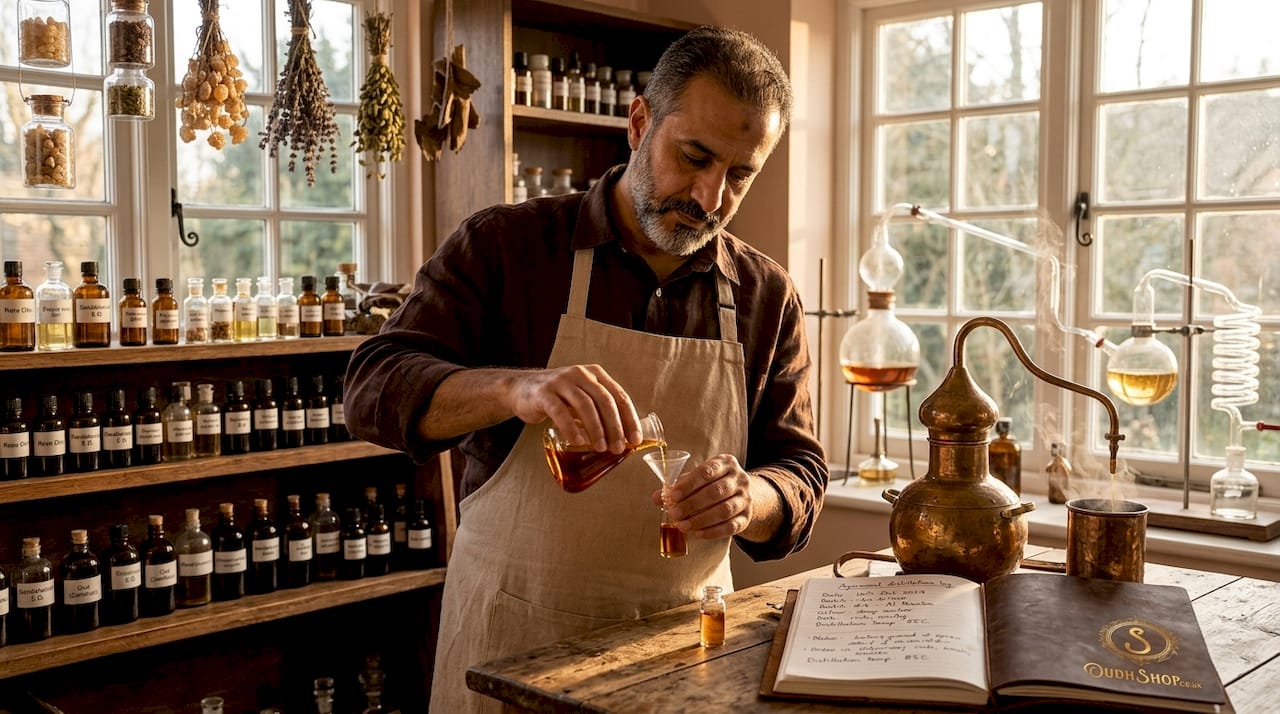
Heritage in fragrance is defined as the profound influence that cultural history, ancestral knowledge, and regional tradition exert on how scents are created, perceived, and preserved. The role of heritage in scents extends far beyond nostalgia. It shapes the raw ingredients a perfumer reaches for, the extraction methods they honour, and the emotional story a fragrance tells on skin. From the smoky resin of Agarwood traded along ancient Arabian routes to the delicate rose absolutes of Grasse, every bottle carries centuries of human experience within it. Understanding this connection transforms how you choose, wear, and appreciate fragrance.
How does heritage shape traditional scent-making?
The role of heritage in scents begins in the field and the workshop, not the laboratory. Traditional perfumery is inseparable from the land and the people who cultivated it across generations. Two of the most vivid examples are the Indian attar tradition and Arabian oud culture, both of which encode entire civilisations within their formulas.
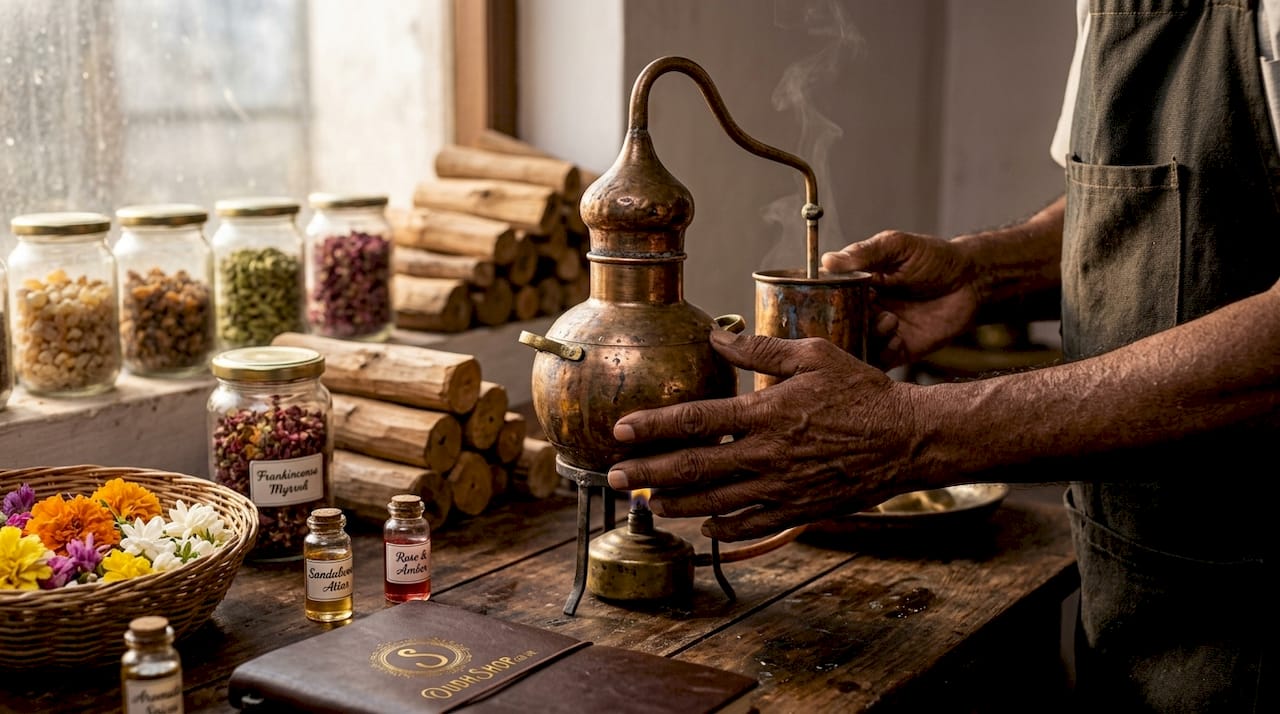
Indian attar, produced through hydro-distillation into a base of sandalwood oil, is one of the oldest perfumery methods in the world. The process is slow, labour-intensive, and deeply ceremonial. Yet fewer than 5% of perfumes used in India today utilise this indigenous oil-based tradition, a decline rooted in colonial disruption and fractured artisanal lineages. That statistic represents not just a market shift but the near-erasure of a sensory language spoken for millennia.
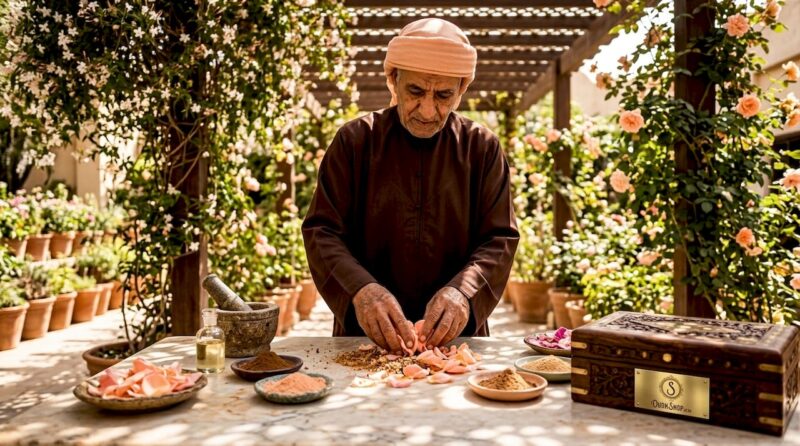
Arabian oud culture tells a parallel story. Agarwood, the resinous heartwood of Aquilaria trees infected by a specific mould, has been prized across the Gulf, South Asia, and East Asia for over a thousand years. Its preparation, from selecting the right grade of wood to the art of burning it over charcoal, is a practice passed from father to son. The unique oud ingredients that define this tradition carry a depth of character no synthetic shortcut can replicate.
Geographical heritage matters as much as cultural practice. Grasse, in the south of France, built its identity on endemic botanicals: Centifolia rose, jasmine, and tuberose grown in a microclimate that produces unmatched aromatic intensity. IFF’s subsidiary LMR maintains an experimental field in Grasse that preserves endemic species through traditional and advanced farming techniques, anchoring brand heritage in genuine agricultural continuity.
- Attar distillation: Copper degs (stills) and bamboo condensers produce oil-based concentrates with extraordinary longevity and skin-warmth.
- Oud grading: Artisans assess Agarwood by colour, resin density, and geographic origin, each variable altering the final scent profile dramatically.
- Grasse florals: Hand-picking at dawn preserves volatile aromatic compounds that machine harvesting destroys.
- Musk traditions: Animal-derived musks, now largely replaced by ethical alternatives, shaped the base note vocabulary of perfumery for centuries.
Pro Tip: When purchasing attar or oud, ask specifically about the distillation method and wood origin. Authentic heritage production is traceable. If a supplier cannot tell you where the Agarwood was harvested or how the attar was processed, the heritage claim is likely cosmetic rather than genuine.
Can science recreate the scents of history?
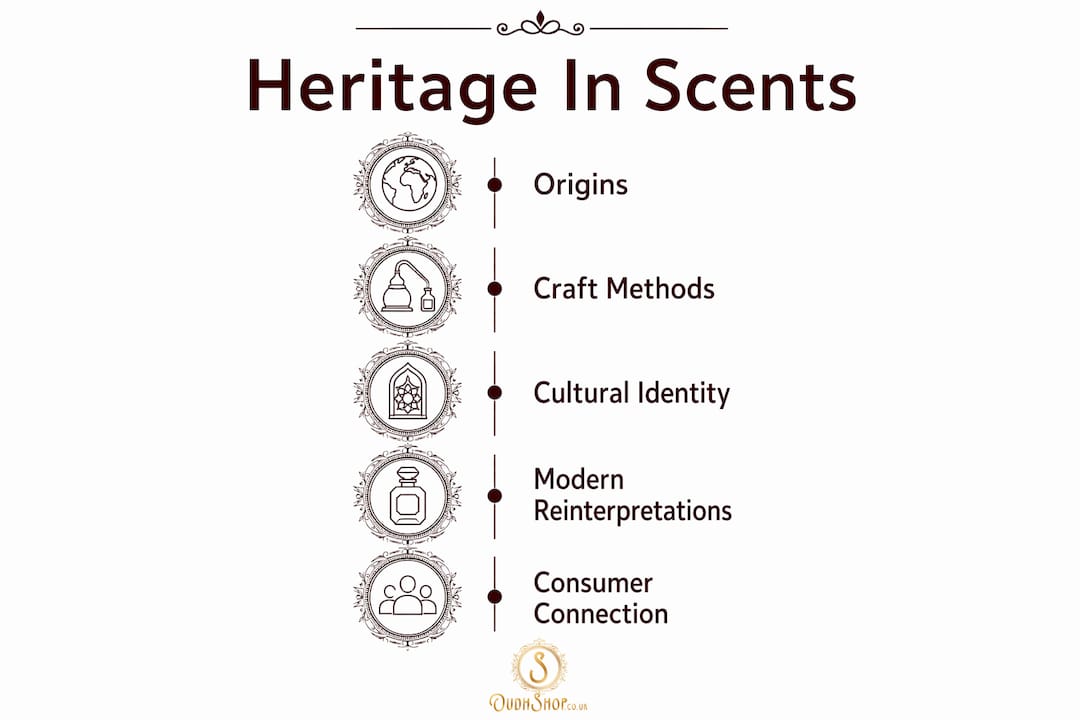
Modern biomolecular archaeology has made it possible to detect and reconstruct volatile organic compounds from ancient artefacts, opening a new discipline sometimes called olfactory museology. The results are extraordinary. Researchers have reproduced a 3,500-year-old Egyptian mummification balm for multisensory museum experiences, allowing visitors to smell what ancient embalmers once worked with. This is not a gimmick. It is a rigorous scientific process that deepens public understanding of past cultures in ways that visual displays alone cannot achieve.
The methodology follows a precise sequence:
- Chemical extraction: Scientists isolate volatile organic compounds and odour-active metabolites from residues found in ancient vessels or on artefacts.
- Archival cross-referencing: Chemical data is matched against historical texts, trade records, and botanical surveys to identify probable source ingredients.
- Perfumer collaboration: A trained perfumer translates biomolecular data into a coherent, wearable scent that meets historical sensorial expectations, a process that is interpretive rather than absolute.
- Delivery design: Museum teams deploy scent cards and fixed stations to control diffusion and manage visitor sensitivities, balancing accessibility with scientific integrity.
“Olfactory heritage presentation depends on delivery format, balancing visitor experience and scent diffusion control for museum contexts.” From biomolecular traces to multisensory experiences, Frontiers in Environmental Archaeology, 2025.
The challenge, as researchers at Popular Science have noted, is that full authenticity is interpretive rather than absolute. Ancient sources describe scents in poetic or functional terms, not chemical ones. A perfumer must make creative decisions that no amount of gas chromatography can resolve. This tension between scientific rigour and cultural interpretation is not a weakness of the field. It is an honest acknowledgement that scent, like memory, is always partly constructed.
What is the commercial value of heritage in luxury fragrance?
Heritage in fragrance markets builds emotional loyalty and trust, enabling premium brand positioning that price alone cannot sustain. A bottle of Extrait de Parfum commanding three figures is not sold on its ingredient list. It is sold on provenance, story, and the sense that you are wearing something with genuine roots. This is the commercial logic of heritage and it is extraordinarily powerful.
The most sophisticated brands do not simply preserve heritage. They reinterpret it. Arabian fragrance heritage is increasingly balanced with modern preferences by blending traditional notes like oud and amber with fresher, gourmand elements. This synthesis keeps cultural roots intact while appealing to younger global consumers who may encounter oud for the first time through a fruity or creamy accord rather than a raw resinous smoke. The oud perfume trends of 2026 reflect exactly this evolution, with creamy and versatile oud compositions gaining significant market traction.
| Traditional heritage element | Modern reinterpretation |
|---|---|
| Raw, smoky Agarwood resin | Oud blended with vanilla, saffron, or peach |
| Pure rose attar in sandalwood base | Rose Extrait layered with white musks and aldehydes |
| Single-origin Grasse jasmine absolute | Jasmine accord paired with synthetic hedione for brightness |
| Animalic musk from natural sources | Ethical musks such as Ambrette seed or Iso E Super |
| Frankincense burned as incense | Olibanum resin note in contemporary Extrait de Parfum |
Pro Tip: When a luxury brand claims heritage, look for institutional continuity: long-term sourcing relationships, named regional suppliers, or documented cultivation practices. Brand heritage longevity depends on agricultural know-how anchored in regional expertise, not marketing copy.
Consumer desire for authenticity is reshaping the market. Story-driven scents, those with traceable ingredients, named artisans, and documented cultural origins, command both higher prices and deeper loyalty. The fragrance industry’s most forward-thinking houses understand that protecting heritage is not a sentimental exercise. It is a competitive strategy.
How can you connect with scent heritage in your own collection?
Scent is one of the most direct routes to cultural identity and personal memory. The connection between scent and identity is well-documented: a single note can transport you to a grandmother’s kitchen, a souk in Marrakech, or a temple courtyard in Mysore. Building a fragrance wardrobe that reflects cultural heritage is not an academic exercise. It is a deeply personal one.
Modern fragrance enthusiasts are increasingly curating collections that reflect mood, occasion, and cultural story rather than simply wearing a single signature scent. This shift towards a curated fragrance wardrobe mirrors the way heritage itself works: layered, contextual, and alive to the present moment.
Here are practical ways to engage with scent heritage meaningfully:
- Start with attar. Oil-based attars are the oldest form of personal fragrance and the most direct connection to pre-industrial perfumery. A guide to natural fragrance oils will help you understand the difference between synthetic imitations and genuine artisanal production.
- Learn to layer. Traditional Middle Eastern fragrance culture involves wearing multiple scents simultaneously: oud on the wrist, musk on the neck, and a floral attar on the hair. Layering is not excess. It is a cultural grammar.
- Prioritise ethical sourcing. Agarwood is a threatened species in many regions. Choosing suppliers who source from sustainable plantations or certified wild-harvest programmes honours the heritage without depleting it.
- Explore oud versus amber. Understanding how oud and amber differ as base notes gives you a vocabulary for navigating heritage fragrances with confidence.
- Seek provenance. Ask where your oud originates. Cambodian, Indian, and Assamese Agarwood each carry distinct aromatic profiles shaped by soil, climate, and harvesting tradition.
Key takeaways
Heritage in scents is not decoration. It is the living foundation upon which every authentic fragrance is built, from ancient attar distillation to modern biomolecular archaeology.
| Point | Details |
|---|---|
| Heritage defines authenticity | Traceable ingredients, named artisans, and documented cultural origins separate genuine heritage from marketing. |
| Science can recover lost scents | Biomolecular archaeology reconstructs ancient aromas, making olfactory history accessible in museum settings. |
| Reinterpretation sustains tradition | Blending oud and amber with modern accords keeps cultural roots alive for new global audiences. |
| Attar tradition is endangered | Fewer than 5% of Indian perfumes use indigenous attar methods today, making conscious consumer choices significant. |
| Ethical sourcing protects heritage | Sustainable Agarwood sourcing preserves both biodiversity and the artisanal knowledge built around it. |
Heritage is not a museum piece: my perspective on scent and living tradition
The most common mistake people make when thinking about heritage in fragrance is treating it as something fixed. A relic. Something to be preserved under glass rather than worn, shared, and evolved. My experience working with oud and attar traditions has taught me the opposite. Heritage is dynamic. It is the ongoing conversation between what was passed down and what the present moment demands.
I find the Indian attar situation genuinely troubling, not because tradition is disappearing, but because the knowledge is disappearing faster than the interest. There is a growing appetite for authentic, oil-based fragrance among younger consumers globally. The tragedy is that the artisans who hold the technical knowledge of deg distillation are ageing, and their craft is not being transmitted at the rate it needs to be. Consumer choices matter here more than most people realise.
What gives me genuine optimism is the scientific work happening in olfactory museology. The idea that we can reconstruct ancient scents from biomolecular traces and bring them into museum spaces is not just academically exciting. It reframes scent as a legitimate form of cultural memory, as worthy of preservation as a painting or a manuscript. That shift in cultural status matters enormously for how future generations will value fragrance heritage.
The balance I advocate for is this: wear heritage scents, ask questions about their origins, support artisans who practise traditional methods, and do not be afraid of modern reinterpretations. A creamy oud accord that introduces a twenty-year-old in London to Agarwood for the first time is not a betrayal of tradition. It is tradition doing what it has always done: finding new people to carry it forward.
— Oudh
Discover authentic heritage fragrances at Oudhshop
Oudhshop brings the depth and artistry of Middle Eastern perfumery directly to you, with a collection built on genuine cultural roots rather than imitation. Whether you are drawn to the smoky gravitas of pure Agarwood, the velvety warmth of musk, or the luminous sweetness of rose attar, every fragrance in the Oudhshop range reflects a tradition worth knowing. Explore the full collection of authentic oud and musk perfumes to find your cultural connection in scent. For a beautifully presented introduction to heritage fragrance, the perfume gift selection offers curated sets that make the story of oud and attar accessible to anyone. Heritage, worn daily, is the most personal form of cultural appreciation.
FAQ
What defines heritage in fragrances?
Heritage in fragrances is defined by traceable cultural origins, traditional production methods, and the use of regionally significant ingredients. It encompasses both the artisanal knowledge passed through generations and the geographical provenance of raw materials such as Agarwood, rose, and jasmine.
Why is the attar tradition significant in fragrance history?
The Indian attar tradition represents one of the oldest continuous perfumery practices in the world, using hydro-distillation into sandalwood oil to create oil-based concentrates of extraordinary depth. Its significance lies in both its sensory complexity and its role as a living record of pre-industrial botanical knowledge.
How do scientists recreate historical scents?
Scientists use biomolecular archaeology to isolate volatile organic compounds from ancient artefacts, then collaborate with perfumers to translate that chemical data into coherent olfactory experiences. The process combines gas chromatography with archival research and creative interpretation, as full authenticity is interpretive rather than absolute.
How is oud being reinterpreted for modern consumers?
Traditional oud notes are increasingly blended with fruity, gourmand, or fresh accords to appeal to younger global audiences unfamiliar with raw resinous smoke. This reinterpretation preserves the cultural identity of Arabian fragrance heritage while making it accessible across diverse markets and preferences.
What should I look for when buying a heritage fragrance?
Look for named ingredient origins, documented production methods, and suppliers who can speak to their sourcing relationships. Ethical Agarwood sourcing from certified plantations and transparent attar distillation practices are the clearest indicators that a heritage claim reflects genuine tradition rather than branding.