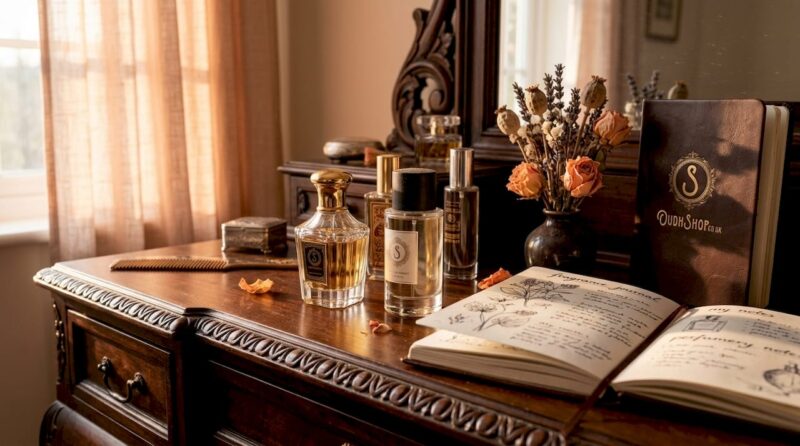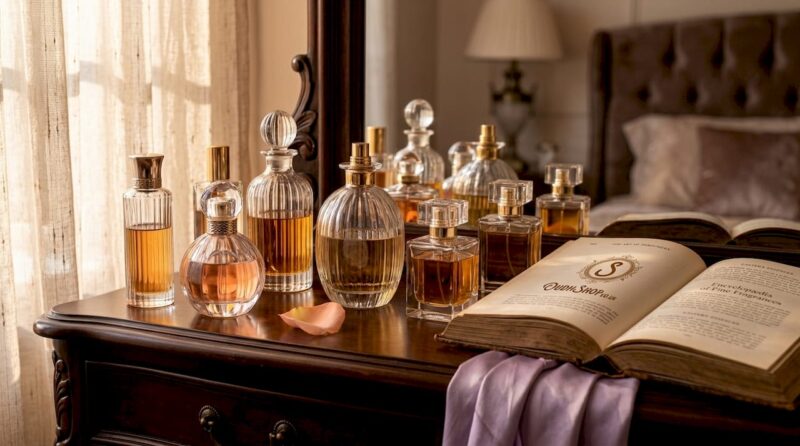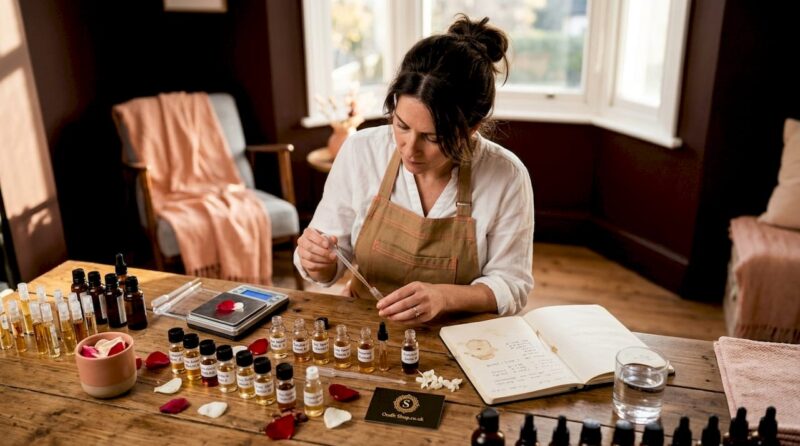
Luxury Arabian Oud Perfume Blog: Your Guide to Exquisite Fragrances
Why Middle Eastern perfumes captivate the senses
TL;DR:
- Middle Eastern perfumes, especially oud and attars, are deeply rooted in cultural, ceremonial, and spiritual traditions.
- Genuine oud comes from rare, resinous Agarwood, with regional variations creating diverse scent profiles.
- Authentic oud fragrances are complex, long-lasting, and evolve over time, requiring careful selection and patience.
There is a common assumption that Middle Eastern perfumes are simply louder, heavier versions of familiar Western fragrances, exotic but overwhelming, best reserved for special occasions or bold personalities. This misreading does a profound disservice to a tradition that stretches back thousands of years, one rooted in ceremony, spirituality, and an extraordinarily refined understanding of raw materials. The truth is far more compelling: oud, attar, and Arabian blends represent an entirely different philosophy of scent, one that rewards patience, curiosity, and a willingness to experience fragrance as something living and personal rather than a simple finishing touch.
Table of Contents
- What makes Middle Eastern perfumes so special?
- The journey of oud: from rare wood to exquisite oil
- Scent profile: intensity, longevity, and complexity
- No single smell: the complexity and nuances of oud
- How to choose authentic Middle Eastern perfumes
- The uncomfortable truth about buying Middle Eastern perfumes
- Discover your ideal Middle Eastern perfume with Oudh Shop
- Frequently asked questions
Key Takeaways
| Point | Details |
|---|---|
| Rooted in culture | Middle Eastern perfumes play vital roles in tradition and daily life, far beyond simple fragrance. |
| Oud’s unique origin | Oud is a precious resin formed by rare trees under stress, leading to complex and prized aromas. |
| Lasting and intense | These perfumes are formulated for exceptional depth and longevity, often lasting a whole day or more. |
| No single oud scent | True oud’s aroma can range from smoky to medicinal, always developing differently with each wearer. |
| Authenticity matters | Choosing genuine Middle Eastern perfume means going beyond price and labels to understand sourcing and craftsmanship. |
What makes Middle Eastern perfumes so special?
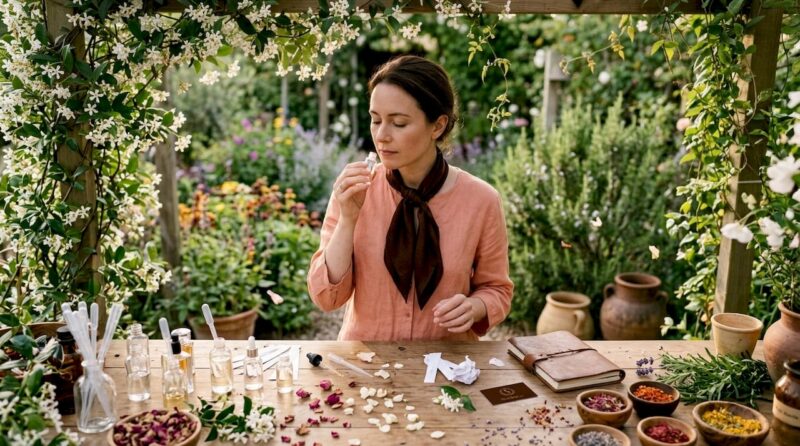
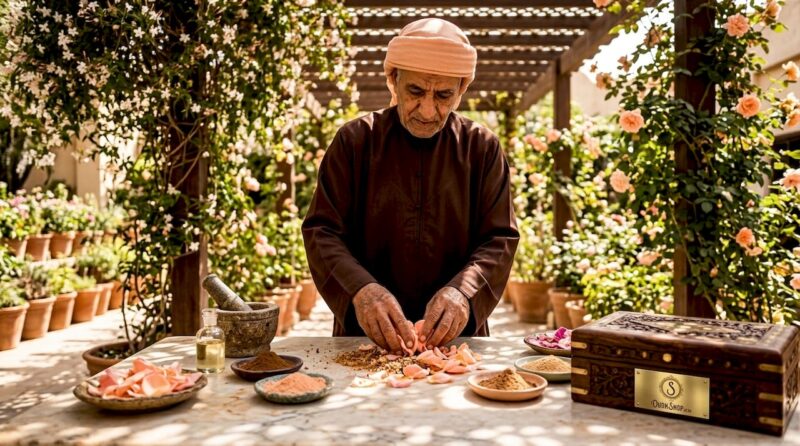
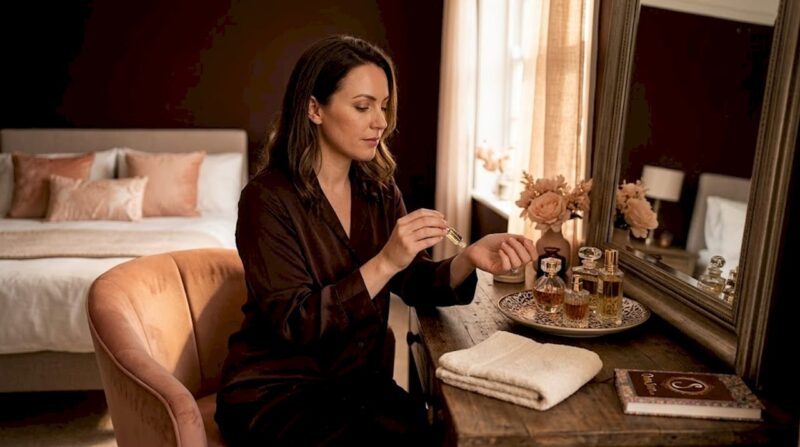
Western culture has, broadly speaking, come to treat fragrance as an accessory, something you spray on and forget about until the next morning. Middle Eastern perfumery operates on a fundamentally different premise. Scent, particularly oud and the oil-based preparations known as attars, is woven into the fabric of daily life, hospitality, and worship. Guests are welcomed with burning oud wood. Ceremonies involve the ritualistic passing of a mabkhara (a traditional incense burner) so that robes and hair absorb the fragrant smoke. Friday prayers, weddings, and family gatherings are all marked by the presence of specific scents.
This cultural integration is precisely why oud’s allure endures across generations. As researchers studying the region’s fragrance traditions have noted:
“Middle Eastern perfume (especially oud and Arabian attars) stays popular because fragrance is part of everyday and ceremonial practice, not just a ‘product category.’”
Consider what this means in practice. A scent is not chosen merely because it smells pleasant on a strip of paper. It carries memory, identity, and social meaning. Particular oud blends are associated with regions, families, and rites of passage. This depth of cultural embedding is something no marketing campaign can replicate, and it is one reason why enthusiasts who discover these fragrances often describe the experience as genuinely transformative.
Key distinctions from mainstream Western fragrance culture include:
- Ritual application: Scent is layered onto the body, clothing, and hair rather than simply sprayed.
- Communal sharing: Fragrances are shared among guests as an act of generosity and welcome.
- Natural materials: Traditional attars and oud oils prioritise raw, botanical ingredients over synthetic accords.
- Longevity as virtue: A fragrance that lasts through an entire gathering is valued, not considered excessive.
The journey of oud: from rare wood to exquisite oil
Oud is often called “liquid gold,” and once you understand how it comes to exist, the name feels entirely appropriate. Oud originates from Agarwood, the heartwood of Aquilaria trees found primarily across Southeast Asia, India, and Bangladesh. Under normal conditions, Aquilaria trees produce no particularly remarkable scent. The magic, and the rarity, arises from a specific biological event.
When the tree sustains damage, whether through fungal infection, insect activity, or other biological stress, it responds by producing a dark, intensely aromatic resin within its heartwood. This resinous reaction is the source of oud’s extraordinary depth and complexity. Only a small proportion of Aquilaria trees ever produce this resin naturally, which is why high-quality oud oil commands prices that rival precious metals by weight.
The unique oud ingredients from different regions produce markedly different olfactory results. Here is a quick reference guide:
| Region of origin | Common scent characteristics |
|---|---|
| Assam, India | Warm, animalic, leathery, slightly smoky |
| Cambodia | Fruity, sweet, woody, refined |
| Bangladesh | Earthy, rich, balsamic, deep |
| Borneo, Malaysia | Lighter, fresher, faintly floral |
| Papua New Guinea | Medicinal, camphor-tinged, raw |
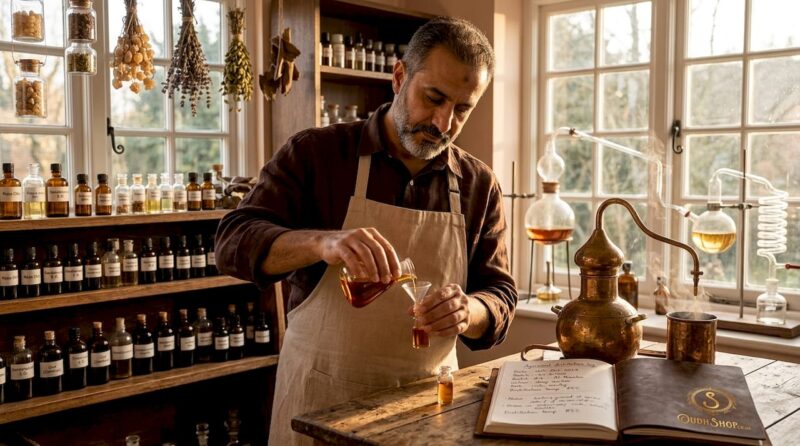
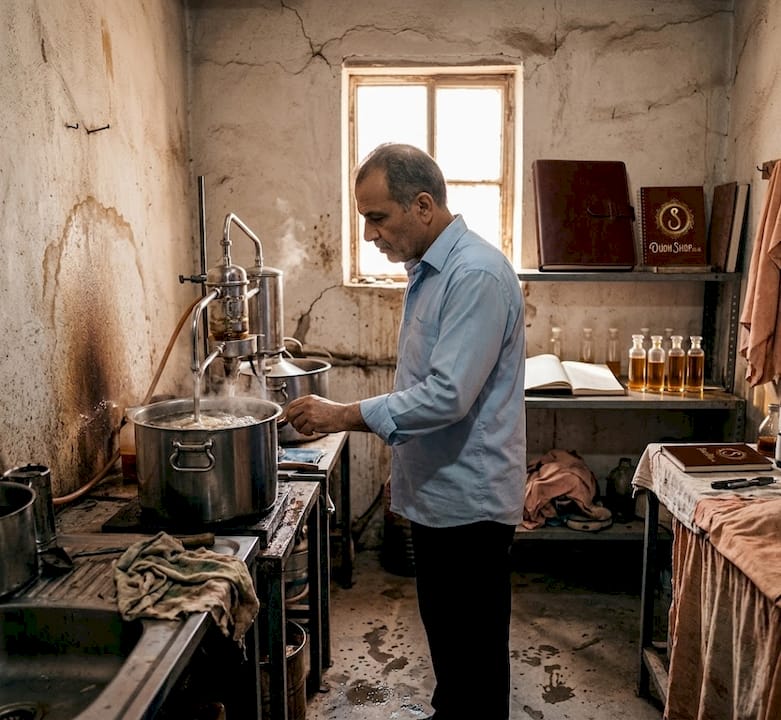
Once the resin-saturated wood is harvested, it undergoes hydro-distillation, a slow, water-based extraction process during which steam draws the volatile aromatic compounds from the wood into an oil. The best oud oils require extended distillation times, sometimes measured in days rather than hours, and the yield from even high-quality wood is extraordinarily small. This is why authenticity and provenance matter enormously when selecting an oud perfume.
Pro Tip: When exploring oud for the first time, choose a single-origin expression before trying complex blends. A Cambodian oud, for instance, offers a gentler introduction than the more intensely animalic Assam variety, and it gives you a clearer sense of what genuine oud smells like before your nose encounters layered compositions.
Scent profile: intensity, longevity, and complexity
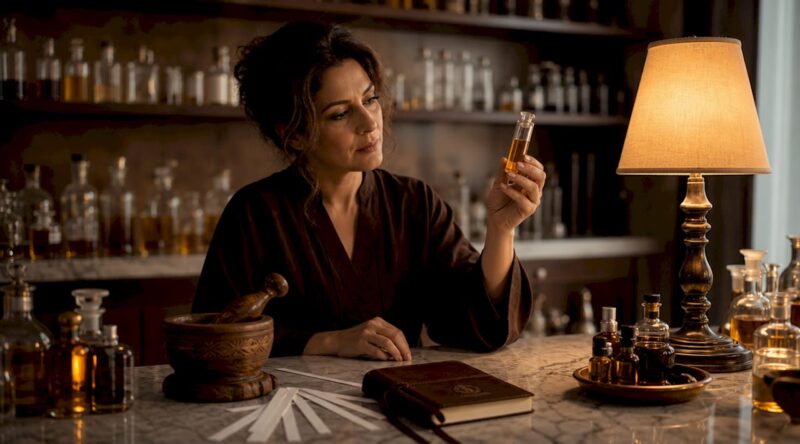
One of the first things you notice when wearing a genuine Middle Eastern oud fragrance is that it behaves differently on your skin from a conventional eau de toilette. It does not announce itself loudly and then fade within two hours. Instead, it settles, deepens, and evolves, a quality that experienced perfumers describe as having exceptional sillage (the aromatic trail a fragrance leaves in its wake) combined with extraordinary staying power.
Research into the appeal of these fragrances for UK and Western audiences consistently highlights the same qualities. Oud-based perfume oils are strongly associated with high-impact traits including depth, warmth, and longevity, largely because of their concentrated oil format and resinous composition.
The common scent profile characteristics you will encounter across Middle Eastern perfumes include:
- Woody: The foundational signature of genuine oud, often described as dark timber, forest floors, or aged sandalwood.
- Smoky: Derived from the burning and distillation process; adds a mysterious, almost meditative quality.
- Balsamic: Sweet, resinous undertones from amber and benzoin that create a sense of warmth and depth.
- Musky: A soft, skin-close quality that makes the fragrance feel intimate and personal.
- Animalic: Particularly in Indian and Bangladeshi ouds, this facet adds a raw, primal complexity that is entirely unlike anything in synthetic perfumery.
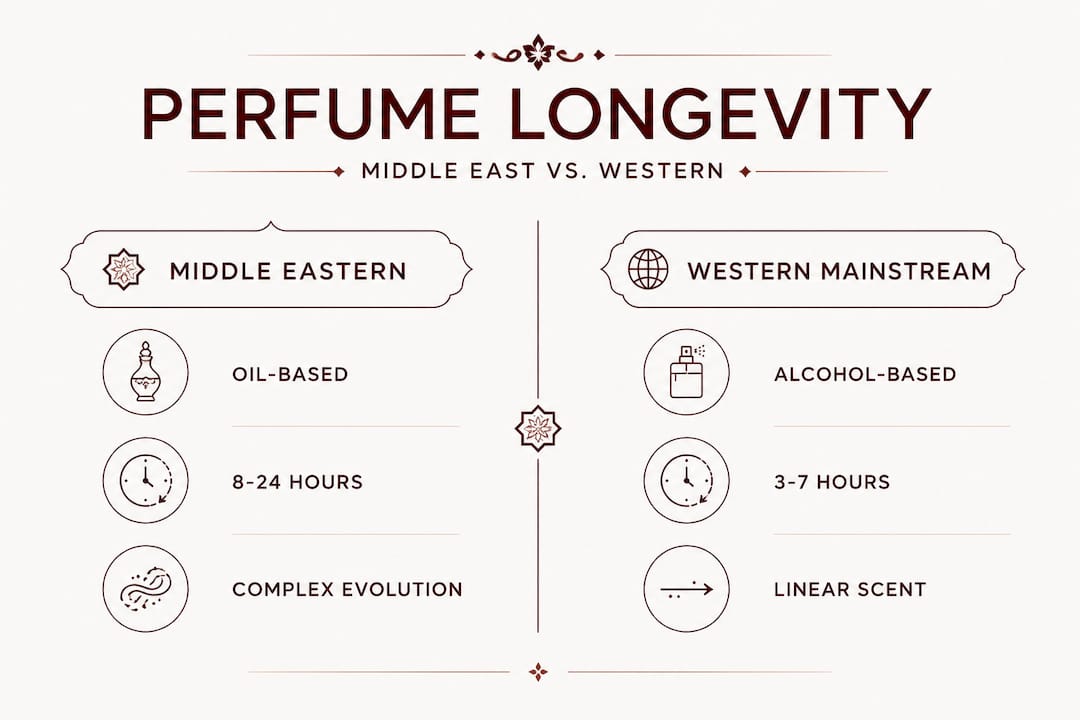
Here is how Middle Eastern perfumes compare directly with Western fragrances across key performance metrics:
| Feature | Middle Eastern perfumes | Western mainstream fragrances |
|---|---|---|
| Concentration | High (oil-based Extrait format common) | Varies (EDT, EDP typical) |
| Longevity | 8 to 24 hours on skin | 2 to 8 hours typically |
| Sillage (trail) | Rich, expansive, lasting | Moderate to light |
| Dominant notes | Oud, amber, musk, rose, saffron | Citrus, floral, light woods |
| Application method | Dab or roll-on oil | Spray atomiser |
The oil format itself is a significant factor in longevity. Because attars and oud oils contain no alcohol, they do not evaporate quickly. They bond with the skin’s natural oils and interact with your unique body chemistry, releasing alluring oud notes gradually over the course of an entire day.
No single smell: the complexity and nuances of oud
If you have been told that oud smells one particular way, you have been given incomplete information. This is one of the most important things to understand before purchasing your first genuine oud product. As fragrance historians and specialists who have studied the Arabian tradition note, real oud varies significantly by origin and extraction method, with its profile evolving rather than presenting a single fixed benchmark.
“Genuine oud resists easy categorisation. It can be smoky and leathery in one expression, sweetly medicinal in another, and richly animalic in a third, all depending on the tree, the region, and the hands that distilled it.”
This variability is not a flaw. It is oud’s greatest virtue. When you wear Cambodian oud, you encounter something almost delicate and refined. When you wear Indian Assam oud, you experience something ancient, raw, and intensely atmospheric. Both are real. Both are legitimate. They simply represent different facets of a vast and extraordinarily complex natural material.
A common mistake new enthusiasts make is attempting to judge quality by visual appearance. Darker colour and thicker viscosity are often assumed to indicate superior oud. In reality, neither colour nor thickness reliably predicts fragrance quality or authenticity. Some of the finest, most nuanced oud oils are relatively pale and fluid, their complexity hidden until they meet the warmth of your skin.
Your own body chemistry also shapes the experience profoundly. Two people wearing the same oud oil will smell different from one another, because skin pH, natural oils, and temperature all influence how the fragrance opens and evolves. This is why selecting authentic oud is a personal process rather than a prescriptive one.
Pro Tip: Allow a genuine oud oil at least thirty minutes on your skin before forming any opinion. The initial “opening” notes, which can sometimes smell sharp or overwhelming, give way to a far more nuanced and beautiful heart as the oil warms and evolves.
How to choose authentic Middle Eastern perfumes
The Middle Eastern perfume market, both globally and in the UK, has seen enormous growth in recent years. This popularity brings with it a significant challenge: the proliferation of synthetic imitations and diluted blends marketed with traditional imagery and elevated price tags. As authenticity studies consistently show, high prices and “oud” branding alone do not guarantee a genuine product, which is why behaviour-based assessment and seller transparency are essential tools for the discerning buyer.
Here are the most important indicators to look for when shopping for authentic Middle Eastern perfumes:
- Ingredient disclosure: Reputable sellers provide clear information about the source, grade, and composition of their oud or attar. Vague labelling is a warning sign.
- Natural complexity: Authentic oud evolves on the skin. A fragrance that smells identical from first application through to the end of the day is almost certainly synthetic or heavily diluted.
- Price realism: Genuine pure oud oil is expensive due to its rarity. If a price seems implausibly low for “pure oud,” treat it with scepticism.
- Seller reputation: Look for established retailers with detailed product descriptions, verifiable sourcing information, and transparent customer service.
- Sample availability: Reputable sellers offer sample sets or small quantities so that you can assess a fragrance before committing to a full bottle.
Warning signs to avoid include fragrances that list “fragrance oil” or “parfum” without further detail, products that smell uniformly synthetic or chemical on first application, and sellers unable or unwilling to answer questions about the provenance of their ingredients.
The authentic Arabic perfume guide approach, combined with an understanding of the different Arabic scent families, will help you navigate the market with considerably more confidence.
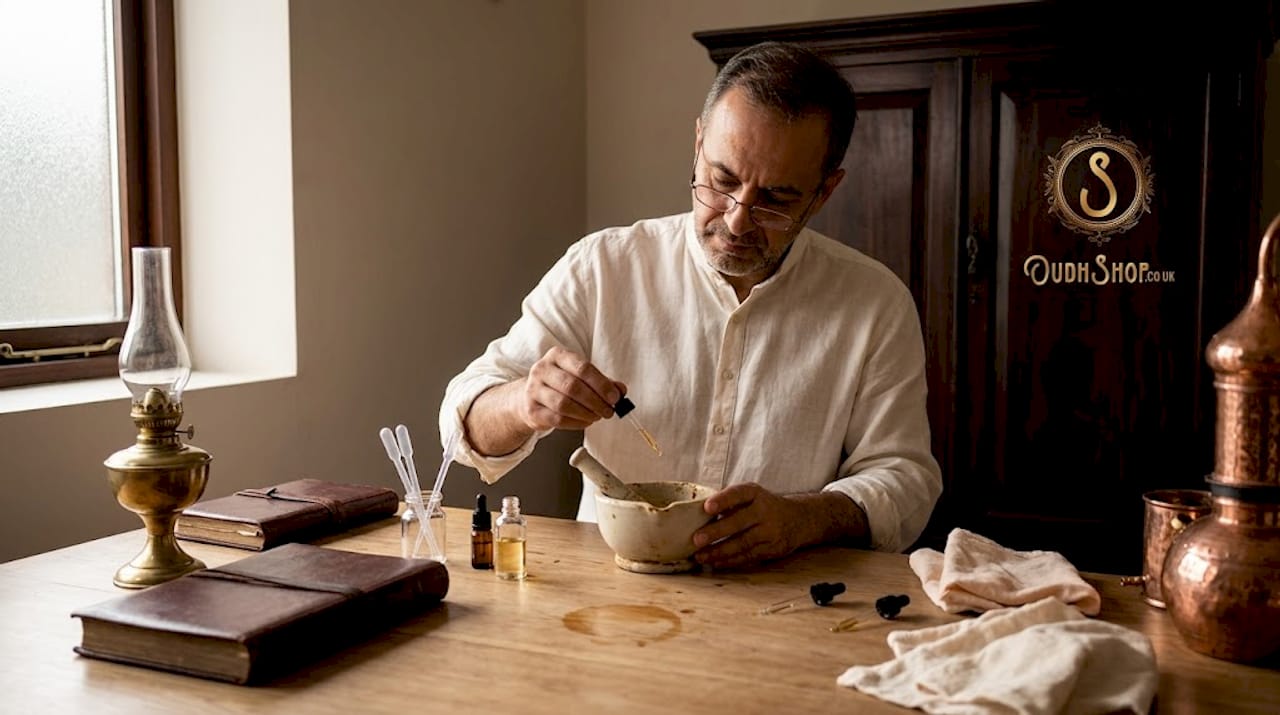
Pro Tip: Before purchasing a full bottle of any oud perfume, request a sample and wear it for a full day. Pay attention to how it changes across morning, afternoon, and evening. A genuinely complex, high-quality oud fragrance will reward you with a different character at each stage.
The uncomfortable truth about buying Middle Eastern perfumes
Here is something the fragrance industry rarely says plainly: no single bottle of oud perfume, however beautifully packaged or prestigious its marketing language, will deliver a complete understanding of what Middle Eastern perfumery truly is. Real expertise in this space is built through experience, patience, and a willingness to sit with complexity rather than reaching for quick conclusions.
We see this regularly with customers who begin their journey expecting oud to smell a particular way, only to discover that the Cambodian attar they adored bears almost no resemblance to the Indian oud oil they found overwhelming. Both reactions are entirely valid. Neither means the product was poor quality. It simply means that oud, like all great natural materials, demands an open mind.
The tendency to rely on price as a proxy for quality is understandable but ultimately misleading. Some of the most beautifully crafted oud blends available in the UK come from smaller, specialist houses rather than globally recognised luxury brands. Conversely, not every heritage Arabic perfume house produces consistently excellent results. Authenticity lives in the material and the craft, not in the marketing.
Finding your signature oud scent is genuinely a journey, and the most rewarding approach is to treat it as one. Try samples. Talk to other enthusiasts. Notice how a fragrance makes you feel after an hour, not just in the first thirty seconds. The Middle Eastern perfumery tradition has survived millennia precisely because the relationship between a person and their scent is deeply personal, not transactional.
Discover your ideal Middle Eastern perfume with Oudh Shop
Navigating the world of authentic Middle Eastern perfumery is far easier when you have a trusted, knowledgeable partner in the process.
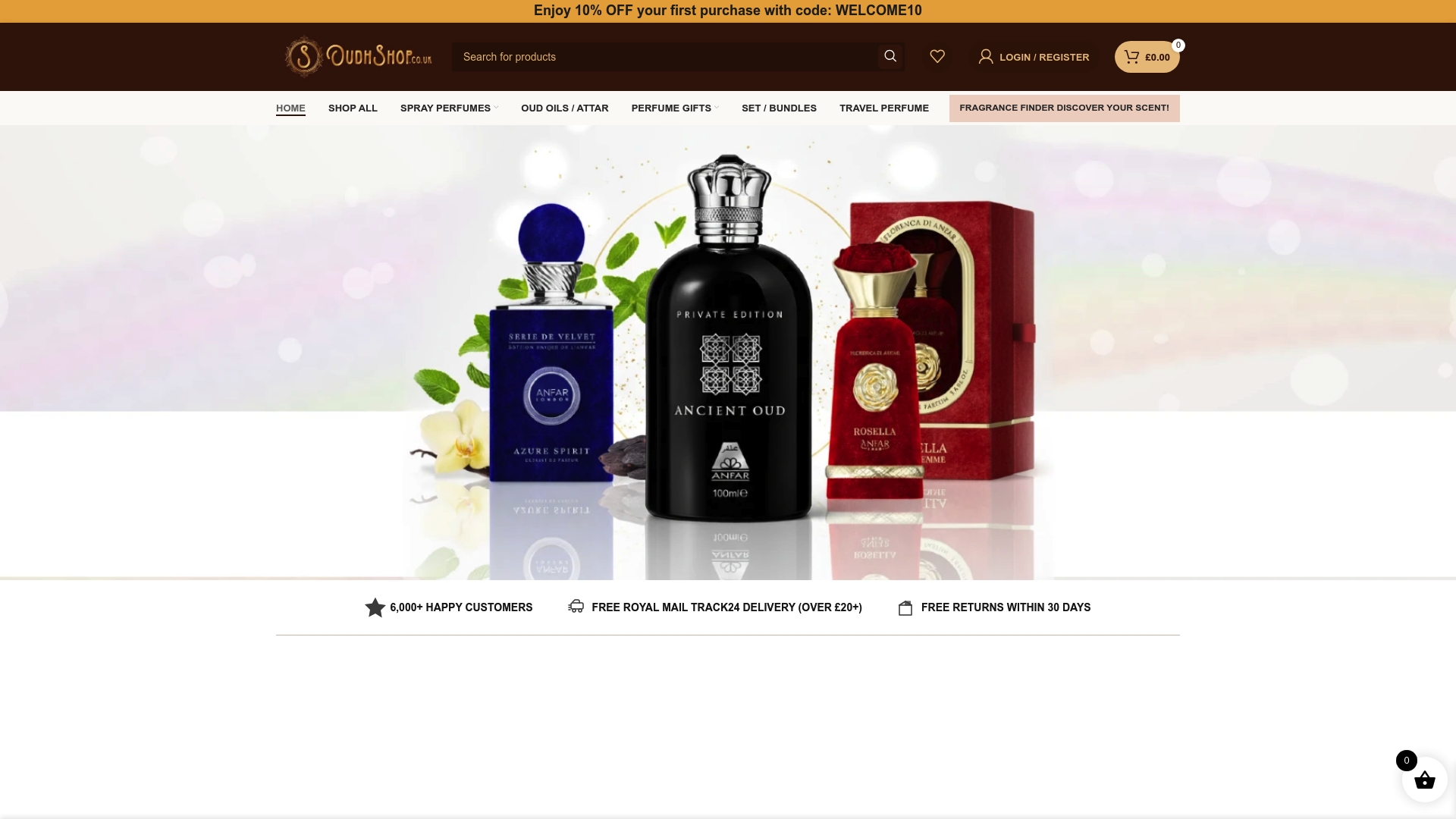
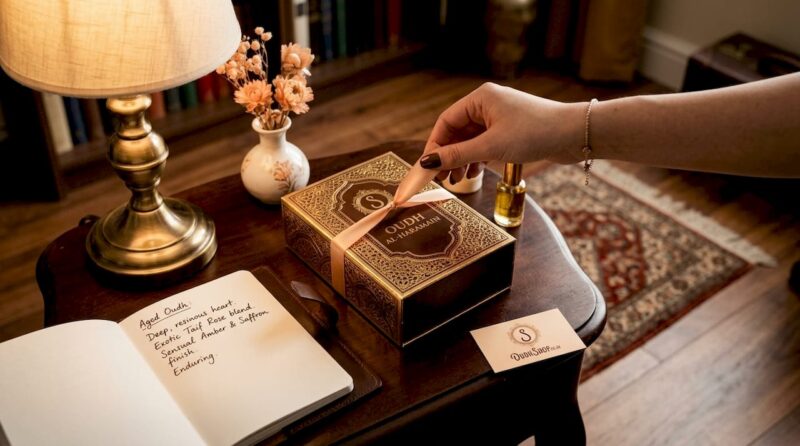
At Oudh Shop, we bring the finest oud perfumes, Arabian attars, and luxury blends directly to fragrance enthusiasts across the UK, with full ingredient transparency and sourcing information you can trust. Whether you are ready to shop authentic oud and Arabian perfumes from our curated collection, or you would prefer to use the Perfume Finder to identify the scent profile that matches your personality, we make the discovery process as enjoyable as the fragrance itself. You can also explore perfume gift sets that make genuinely memorable presents for any occasion, beautifully packaged and ready to delight.
Frequently asked questions
What makes oud different from other perfume ingredients?
Oud is extracted from Aquilaria resin and converted into essential oil, producing uniquely resinous, complex aromas that bear no resemblance to the floral, citrus, or synthetic accords found in mainstream Western fragrances.
How long do Middle Eastern perfumes typically last?
These fragrances, particularly concentrated oud oils, are renowned for lasting anywhere from 8 to 24 hours on the skin, owing to their high concentration and the way oil-based formats bond with skin chemistry.
How can you tell if oud is real or synthetic?
Genuine oud shows natural complexity and evolves throughout the day, whereas synthetics tend to smell flat and one-dimensional; authenticity requires behaviour-based assessment and a transparent seller, not simply a high price tag.
Do Middle Eastern perfumes suit both men and women?
Yes, the majority of classic oud and Arabian perfume compositions are crafted as unisex expressions, built around universal characteristics such as warmth, depth, and longevity rather than conventional gender categories.
Why do Middle Eastern perfumes change scent over time on skin?
Natural oil-based attars and oud oils evolve with skin chemistry, releasing smoky, leathery, or sweetly balsamic facets as they warm and dry down, creating a fragrance journey rather than a static impression.